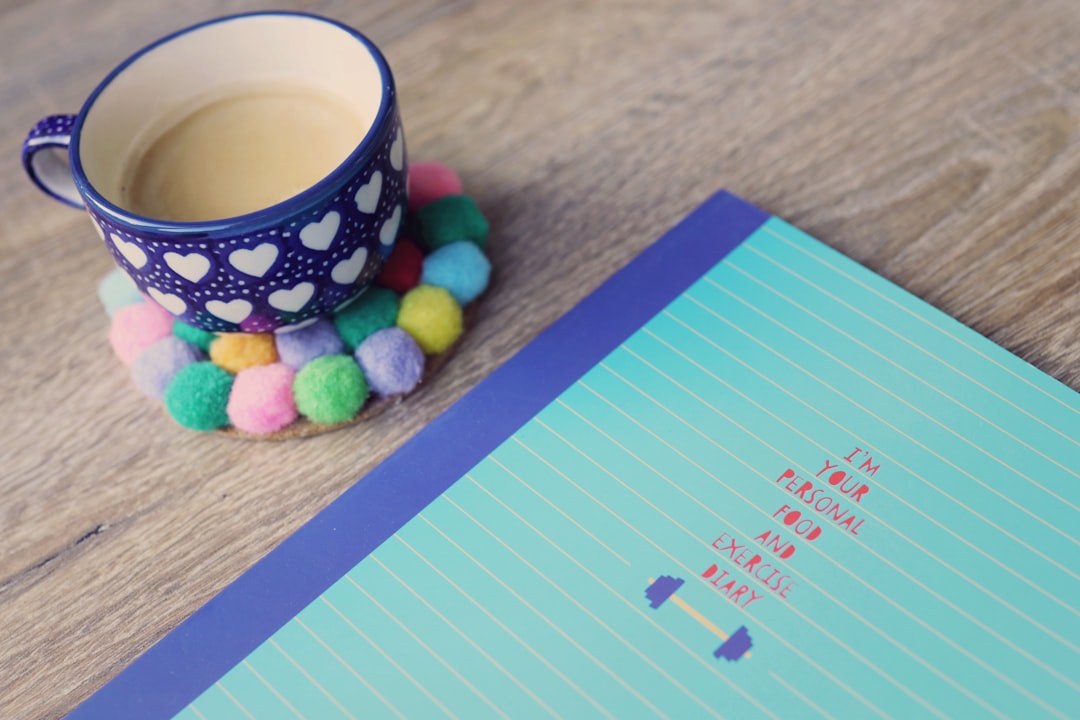
If you want a practical way to build stamina at home without buying equipment or guessing what to do next, this 8-week plan gives you a clear structure. It blends low-impact endurance work, bodyweight strength, and short mobility sessions so you can improve fitness with limited space and a repeatable schedule. Just as importantly, it is designed to be revisited: you can rerun the same framework every couple of months, update your benchmarks, and keep progressing without starting from scratch.
Overview
This home endurance workout plan is built for people who want a simple, sustainable training rhythm. You will train five days per week: three main workout days, one lighter conditioning or mobility day, and one optional benchmark or recovery session. Two days are reserved for full rest or easy walking.
The goal is not to exhaust you every session. The goal is to steadily increase your ability to keep moving, recover between efforts, and maintain good form under light fatigue. That is how most people build stamina at home in a way that lasts.
What this plan focuses on:
- Improving basic aerobic endurance with steady and interval-style bodyweight work
- Building muscular endurance in the legs, core, and upper body
- Keeping joints moving well with a short mobility routine
- Using simple progress markers so you know when to advance
What you need: enough floor space to lie down, a timer or phone, and supportive shoes if your surface is hard. No equipment is required.
Weekly structure
- Day 1: Strength and endurance circuit
- Day 2: Zone 2-style steady movement session
- Day 3: Mobility and recovery
- Day 4: Interval conditioning session
- Day 5: Strength and endurance circuit
- Day 6: Optional benchmark, easy walk, or mobility
- Day 7: Full rest
If you are a complete beginner, start with four training days instead of five and treat Day 6 as full rest. If you already walk, run, cycle, or play sport, you can use this as your no equipment workout plan on non-gym days.
Warm-up before every main session: 5 to 7 minutes
- 30 seconds marching in place
- 30 seconds arm circles
- 30 seconds hip circles
- 30 seconds bodyweight good mornings
- 30 seconds alternating reverse lunges
- 30 seconds inchworm walkouts
- 30 seconds squat to reach
- Repeat once if you still feel stiff
Weeks 1 and 2: Build the base
Day 1 and Day 5 circuit
Work 30 seconds, rest 30 seconds, 2 to 3 rounds:
- Bodyweight squats
- Incline push-ups against a wall, counter, or sofa
- Alternating reverse lunges
- Bird dogs
- Glute bridges
- Marching in place with fast arms
Day 2 steady session
20 to 30 minutes continuous easy movement. Choose brisk walking, step-ups on a safe stair, marching in place, or a mix. You should be able to speak in short sentences.
Day 4 interval session
6 rounds of:
- 40 seconds fast march or low-impact high knees
- 20 seconds easy pace
Then 2 rounds of:
- 30 seconds bodyweight squat
- 30 seconds standing rest
- 30 seconds plank from knees or hands elevated
- 30 seconds standing rest
Weeks 3 and 4: Add volume
Day 1 and Day 5 circuit
Work 35 seconds, rest 25 seconds, 3 rounds:
- Squats
- Push-ups at your current level
- Reverse lunges
- Dead bug
- Glute bridge march
- Mountain climbers at a controlled pace
Day 2 steady session
25 to 35 minutes easy continuous movement.
Day 4 interval session
8 rounds of:
- 30 seconds fast effort
- 30 seconds easy pace
Choose from marching, shadow boxing, step-ups, or low-impact skaters.
Weeks 5 and 6: Raise the challenge
Day 1 and Day 5 circuit
Work 40 seconds, rest 20 seconds, 3 to 4 rounds:
- Squat to calf raise
- Push-ups or slow negative push-ups
- Split squat hold, 20 seconds each side
- Plank shoulder taps
- Single-leg glute bridge, alternating sides
- Fast feet in place
Day 2 steady session
30 to 40 minutes easy movement. Keep it controlled. This is where you build stamina, not where you prove toughness.
Day 4 interval session
10 rounds of:
- 20 seconds hard effort
- 40 seconds easy pace
Finish with 5 minutes of easy walking or marching to cool down.
Weeks 7 and 8: Consolidate and test
Day 1 and Day 5 circuit
Work 45 seconds, rest 15 seconds, 4 rounds:
- Squats or squat pulses
- Push-ups at your best clean variation
- Alternating lunges
- Plank variation
- Glute bridge march or single-leg bridge
- Burpee walk-backs or fast march
Day 2 steady session
35 to 45 minutes easy movement.
Day 4 interval session
12 rounds of:
- 30 seconds hard effort
- 30 seconds easy pace
Weekly benchmark option for Day 6
Choose one test and repeat it at the end of Weeks 1, 4, and 8:
- How many squats you can do in 2 minutes with good form
- How long you can sustain brisk marching without losing pace
- How many incline or floor push-ups you can do in one clean set
- A 10-minute bodyweight endurance workout: count total rounds of 5 squats, 5 lunges each side, 5 push-ups, and 20 mountain climbers
Keep the same benchmark if you want clear comparison. Change it only after one full 8-week cycle.
If you want a broader beginner workout plan after this block, the 12-Week Beginner Stamina Training Plan for Total Fitness is a useful next step.
Maintenance cycle
This plan works best when treated as a repeatable training cycle rather than a one-time challenge. After Week 8, take a lighter week, then restart with small upgrades. That maintenance rhythm is what keeps home training effective.
How to use the cycle:
- Run the full 8 weeks.
- Take 4 to 7 lighter days with walking, mobility, and shorter circuits.
- Review your benchmark scores, recovery, and weak points.
- Rerun the plan with one progression at a time.
Good progression options for the next cycle
- Add one round to a circuit before making exercises more complex
- Reduce rest slightly, such as from 30 seconds to 20 seconds
- Switch wall push-ups to incline push-ups, or incline push-ups to floor push-ups
- Increase steady-session duration by 5 minutes
- Use stricter tempo, such as 3 seconds lowering in a squat or push-up
A common mistake with a bodyweight endurance workout is trying to progress everything at once. That usually turns good sessions into sloppy sessions. Choose one variable each cycle.
Suggested maintenance schedule across a year
- Cycle 1: Learn the movements and finish every session
- Cycle 2: Improve work capacity by adding time or rounds
- Cycle 3: Improve movement quality and exercise difficulty
- Cycle 4: Focus on benchmark performance and consistency
This is also where a simple training log matters. Record:
- Total rounds completed
- Which push-up and plank variation you used
- How hard the session felt on a 1 to 10 scale
- Resting energy, soreness, and sleep quality
You do not need advanced analytics to make this useful. But if you enjoy tracking, a structured log can help you spot patterns in missed sessions and performance drift. For runners or mixed-sport athletes, the Couch to 5K Training Plan With Strength and Mobility Days pairs well with this kind of home base work.
Keep the mobility work consistent
On your mobility day, spend 10 to 20 minutes on:
- Cat-cow x 6 to 8 reps
- World's greatest stretch x 4 each side
- 90/90 hip switches x 8 total
- Ankle rocks x 10 each side
- Thoracic rotation x 6 each side
- Deep squat hold with support, 20 to 30 seconds
This is not filler. A daily mobility routine improves how comfortable your training feels, which makes consistency easier.
Signals that require updates
This 8 week home workout plan is meant to be stable, but not rigid. You should update the plan when your results, schedule, or recovery tell you it is time. In practice, a few signals matter more than others.
1. Your sessions feel too easy for two straight weeks
If you can complete every interval while breathing easily and your form never breaks down, increase one training variable. That might mean more rounds, longer work periods, or a harder exercise variation.
2. Your form consistently breaks early
If push-ups collapse after the first round or lunges become unstable, do not force progression. Keep the structure but scale the movement. For example:
- Swap floor push-ups for incline push-ups
- Use split squats instead of alternating jumping or dynamic lunges
- Replace mountain climbers with marching plank taps
3. Recovery is getting worse, not better
Endurance should improve your ability to tolerate work. If your legs feel heavy all week, your resting energy is low, or your motivation drops, pull back. Shorten one session, skip the optional benchmark, or add another easy day.
4. Your goal has changed
If you started with general fitness but now want to train for a 5K, team sport, hiking trip, or fat loss phase, the plan should shift with that goal. Home stamina training is a base, not a prison.
5. Search intent or your own training questions have shifted
Many readers return to plans like this because their needs change. Early on, the question is usually, “How do I start?” Later it becomes, “How do I progress?” or “How do I combine this with running?” That is a useful reminder to revisit the framework every 8 to 12 weeks and adjust the emphasis.
6. Benchmarks stop moving
If your 2-minute squat test or 10-minute circuit score stays flat across two cycles, try changing the stress. Add more steady cardio, use slower tempo strength work, or separate hard days more clearly.
Common issues
The best no equipment workout plan is the one you can keep doing. Most setbacks come from pacing, poor exercise selection, or unrealistic expectations rather than lack of effort.
Issue: Starting too hard
This is the most common problem. People hear “build stamina at home” and turn every session into a test. That creates excessive soreness and inconsistent weeks. The fix is simple: finish your workouts feeling like you could have done a little more.
Issue: No clear intensity guide
Use a basic effort scale. Easy steady work should feel like 4 to 6 out of 10. Intervals can rise to 7 or 8 out of 10, but not every round needs to feel maximal. Your breathing should settle within a minute or two after work periods.
Issue: Joint discomfort during high-rep bodyweight work
Knees, wrists, and lower back are common problem areas. Usually the answer is not to stop everything. It is to adjust leverage, range, or surface.
- Knees: use shallower squats, reverse lunges, and more glute bridges
- Wrists: elevate hands for push-ups or use fists on a soft surface if tolerated
- Lower back: reduce arching in planks, slow down mountain climbers, and include dead bugs
Issue: Boredom
Home training needs small variations. Keep the structure but rotate one movement in each category:
- Squat pattern: squat, squat pulse, squat to calf raise
- Push pattern: wall push-up, incline push-up, floor push-up
- Core pattern: dead bug, plank, shoulder taps
- Cardio pattern: march, skaters, step-ups, shadow boxing
Issue: No time for full sessions
Split the work. A 12-minute circuit in the morning and a 15-minute walk later still supports endurance. Consistency beats ideal programming that never happens.
Issue: Unclear nutrition around training
You do not need a perfect meal plan to benefit from this program. A few practical habits help:
- Drink water through the day, not only during the workout
- Eat a balanced meal 2 to 4 hours before training when possible
- If training soon after waking, a light snack may be enough
- After training, eat a normal meal with protein and carbohydrates
The point is to support recovery, not to overcomplicate a beginner workout plan.
Issue: Comparing home training to gym training
Bodyweight sessions can be very effective for endurance, work capacity, and movement control. What they may not do forever is provide unlimited strength progression. If your goal later shifts toward maximal strength, this plan can still remain your conditioning base while you add resistance work.
When to revisit
Return to this plan on a regular schedule, not only when motivation spikes. The most useful review points are built around your calendar and your results.
Revisit the plan every 8 weeks if:
- You want a fresh benchmark
- You need new exercise variations
- You have become inconsistent and want a reset
- Your endurance has improved and the current version feels too easy
Revisit after 4 weeks if:
- You are missing sessions because the volume is too high
- You have recurring soreness that does not improve
- You are unsure whether to progress or scale back
Revisit sooner if:
- You feel pain rather than normal training fatigue
- You have a change in schedule, sport season, or recovery demands
- You want to combine this with another plan
Here is a practical end-of-cycle checklist you can use every time:
- Did I complete at least 80 percent of planned sessions?
- Can I sustain longer steady movement than I could in Week 1?
- Did my benchmark score improve, even slightly?
- Which movement felt weakest: squat, push, core, or cardio?
- What one progression will I make next cycle?
If your answers are mostly positive, rerun the framework with one upgrade. If not, reduce complexity and repeat the current level until it feels stable.
A good home workout plan earns repeat use because it is easy to update. Save your benchmark scores, keep notes on what felt manageable, and return to the plan every couple of months. That rhythm turns a short challenge into a long-term system.
And if you outgrow the all-bodyweight format, use this plan as your conditioning anchor while expanding into running, longer endurance sessions, or more structured strength work. The value is not only in these eight weeks. It is in having a dependable template you can revisit whenever you need to rebuild momentum.