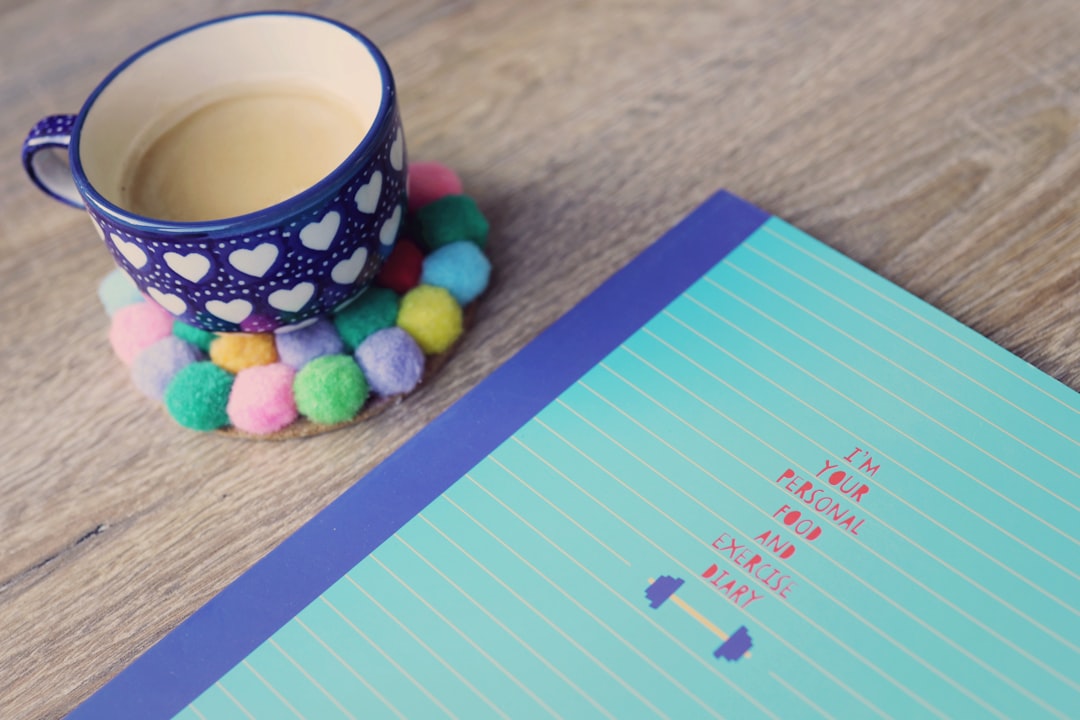
This 8-week stamina workout plan helps beginners build endurance at home without running equipment. You will combine low-impact cardio, bodyweight strength, mobility, and planned recovery while tracking session time, effort, and completion so you can progress steadily rather than trying to do everything at once.
Overview
Stamina is your ability to sustain activity and recover well enough to repeat it. A useful beginner plan develops both cardiovascular endurance and muscular endurance. That is why this home workout plan uses walking in place, step-ups, marching, shadow boxing, squats, hinges, pushes, and core exercises instead of relying on running alone.
Plan for three main training days, two optional easy-movement days, and at least one complete rest day each week. The main sessions should feel manageable. Most work should finish with the sense that you could have continued for a few more minutes or completed a few more repetitions. This approach gives your joints, muscles, and coordination time to adapt.
Before every session, clear a safe training area, wear supportive footwear if needed, and keep water nearby. Begin with five minutes of easy marching, shoulder circles, hip hinges, and gentle leg movements. Finish with two to five minutes of slower movement and relaxed breathing.
Eight-week beginner stamina plan
Use the table as a framework rather than a test. If a week feels too difficult, repeat it. If you miss several sessions, return to the last week you completed comfortably instead of attempting to make up every workout.
| Week | Main sessions | Cardio focus | Strength focus | Optional easy movement |
|---|---|---|---|---|
| 1 | 3 sessions | 15 minutes: easy march, walk, or step-touch | 2 rounds: 8 chair squats, 8 wall push-ups, 10 glute bridges, 15-second plank from knees | 10–15 minutes of relaxed walking or mobility |
| 2 | 3 sessions | 18 minutes: 2 minutes easy, 1 minute slightly quicker | 2 rounds: 10 chair squats, 8–10 incline push-ups, 10 bridges, 20-second plank | 15 minutes easy |
| 3 | 3 sessions | 20 minutes: 3 minutes steady, 1 minute easy | 2–3 rounds: 10 squats, 10 push-ups, 8 reverse lunges per side, 20-second plank | 15–20 minutes easy |
| 4 | 3 sessions | 22 minutes: 4 minutes steady, 1 minute easy | 3 rounds: 10 squats, 10 push-ups, 10 hip hinges, 20–25-second plank | 20 minutes easy |
| 5 | 3 sessions | 25 minutes: 4 minutes steady, 1 minute quicker, repeated | 3 rounds: 12 squats, 10–12 push-ups, 10 reverse lunges per side, 12 bridges | 20–25 minutes easy |
| 6 | 3 sessions | 27 minutes: 5 minutes steady, 1 minute quicker | 3 rounds: 12 squats, 10–12 push-ups, 10 hinges, 25–30-second plank | 20–30 minutes easy |
| 7 | 3 sessions | 30 minutes: 5 minutes steady, 1 minute quicker, repeated | 3 rounds: 12–15 squats, 12 push-ups, 10 lunges per side, 30-second plank | 25–30 minutes easy |
| 8 | 3 sessions | 30 minutes at a controlled steady pace, with short quicker intervals if ready | 3 rounds using your best comfortable form from previous weeks | Easy movement and mobility only |
Schedule the sessions with at least one easier or rest day between demanding workouts. For example, train on Monday, Wednesday, and Friday. Keep the optional days genuinely easy; they are for circulation and mobility, not extra conditioning.
What to track
Tracking a few repeatable measures makes this beginner workout plan easier to adjust. After each main session, record the following:
- Completed work: Note the exercises, rounds, minutes, and any modifications.
- Session duration: Record active training time separately from warm-up and rest.
- Perceived effort: Use a simple 1–10 scale. Aim for roughly 4–6 on most sessions, where 1 is very easy and 10 is maximal effort.
- Movement quality: Mark whether your form felt steady, inconsistent, or painful.
- Recovery: Write down sleep quality, unusual soreness, and whether normal daily movement feels comfortable.
A weekly completion checklist can be as simple as: □ Session 1 □ Session 2 □ Session 3 □ Optional movement □ Mobility or cooldown completed. Add one sentence about how the week felt. This creates a useful record without turning exercise into a second job.
Every two weeks, repeat a simple stamina check under similar conditions. After warming up, complete a comfortable continuous session for as long as planned, stopping if you feel unwell. Record total time, the type of movement, and your average perceived effort. The goal is not to go all out. Improvement may appear as more time at the same effort, lower effort for the same time, or better form near the end.
Cadence and checkpoints
Increase only one main variable at a time: duration, pace, repetitions, or a harder exercise variation. The table gradually increases cardio time, but you do not need to add every repetition if fatigue is high. For strength training, stop a set when technique begins to change. Chair squats can become unassisted squats; wall push-ups can become counter, bench, or floor incline push-ups. Make the next variation harder only when the current version is controlled.
At the end of week two, check whether you completed at least four of the six planned main sessions. If not, repeat weeks one and two with shorter sessions. At the end of week four, review your effort scores and recovery. If most sessions felt easy and soreness resolved normally, continue. If effort was consistently high, reduce one round or shorten the cardio intervals.
At the end of week eight, compare your first and final stamina checks. Also compare your best comfortable squat, push-up variation, plank duration, and ability to maintain a steady pace. These strength-and-endurance measures provide a clearer picture than body weight alone.
How to interpret changes
Progress is rarely linear. A difficult day may reflect poor sleep, stress, heat, dehydration, or training too close to a previous session. Look for patterns across two or more weeks rather than reacting to one score.
If your duration rises while effort stays similar, your endurance is likely improving. If duration stays the same but effort falls, that is also progress. If effort rises for several sessions, reduce volume, add rest, or return to an easier exercise variation. If your muscles are tired but your breathing is comfortable, the strength portion may be too demanding. If breathing is difficult while form remains good, reduce the cardio pace or interval length.
Use low-impact substitutions whenever needed: march instead of jogging, step-touch instead of jumping jacks, sit-to-stand instead of deep squats, and wall push-ups instead of floor push-ups. Stop for sharp pain, chest discomfort, faintness, unusual shortness of breath, or symptoms that do not settle with rest. Anyone managing a medical condition, recovering from injury, or unsure whether exercise is appropriate should seek individual medical guidance before starting.
When to revisit
Return to this plan at the start of each week to select the next session and update your checklist. Review the full log every two weeks, and perform the stamina check at weeks two, four, six, and eight. After completing the plan, you can repeat it with slightly longer easy sessions, keep the same duration while progressing strength variations, or move to a more specific endurance training plan.
Revisit the plan sooner after illness, a long break, persistent soreness, or a clear drop in performance. A practical reset is to reduce session duration and strength volume by about one step in the table, then rebuild gradually. Refresh your exercise choices and safety guidance periodically, especially if your equipment, training environment, health status, or goals change.
Start today by writing down your baseline: the movement you will use, the planned duration, your effort score, and one strength variation. Complete the first session at a controlled pace, log what happened, and let the record—not impatience—determine your next progression.