When Premier League injury roundups stop being gossip and start teaching you to avoid downtime
Feel like one niggle derails weeks of progress? You’re not alone. Recreational runners and cyclists see setbacks from small strains, inconsistent load, and poor recovery—exactly the issues flagged in Premier League injury roundups. This article turns the BBC-style team news format into a practical monitoring system so you can spot risk, adjust training, and shorten recovery.
The high-level takeaway (read first)
Top-flight clubs and their medical teams do three things well: monitor, communicate, and adapt. If you learn to interpret the headlines—who's "out", who’s "doubtful", why a player is resting—you can translate that into a real-world injury prevention and recovery plan. In 2026 that also means leveraging affordable wearables, simple objective tests, and clear rehab steps to reduce downtime by weeks or months.
Why Premier League injury reports are a useful model for recreational athletes
Every weekend the BBC and similar outlets consolidate manager press conferences, physio updates, and club statements into concise team news. That format gives you three useful signals:
- Severity: Out vs doubtful vs fit-for-selection—helps determine time-loss risk.
- Mechanism: Type of injury (muscle, tendon, concussion) which dictates short- and medium-term actions.
- Context: Recent load, fixture congestion, or travel—factors you can mirror in your training diary.
Use those signals to build your own weekly roundup. That’s the first step to evidence-backed load management and smart rehab.
How to set up your personal "team news" for monitoring injuries
Think like a club medical staff. You don’t need fancy infrastructure—just consistent observation, objective metrics, and a decision framework.
Step 1 — Daily monitoring: three sources
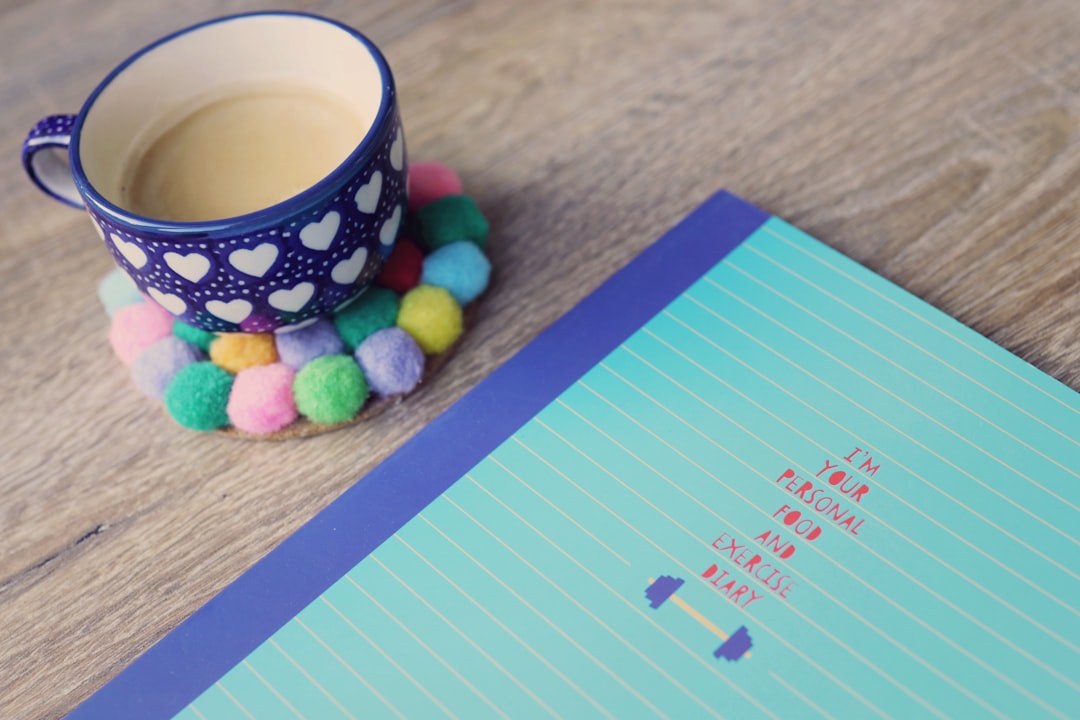
- Subjective check-ins: Rate pain 0–10, sleep quality (1–5), and perceived freshness (RPE). Log a 1–2 minute entry daily.
- Objective data: HRV, resting heart rate, training power/pace trends, and sleep minutes from wearables. In 2026 most watches now provide overnight autonomic recovery scores—use them.
- Functional test: Quick movement screen before high-load sessions (single-leg hop, 10s plank, calf toe raises). If you lose function or symmetry, flag it.
Step 2 — Weekly roundup (your mini press conference)
On a fixed day—Sunday or Monday—summarize:
- Who’s "out": injuries requiring rest or clinical review.
- Who’s "doubtful": high risk but potentially manageable with modification.
- Who’s "back": cleared to resume full training.
Make decisions from that snapshot: cancel intervals for "doubtful" muscle issues, substitute long runs with cross-training for "out" tendon pain, etc.
Interpreting common phrases—what they mean for your training
Match-day reports use shorthand that maps to actionable choices:
- "Out" — Time to stop/aggressively modify. For runners/cyclists this usually means zero-load or alternative load (swim/elliptical), and early physio.
- "Doubtful" — You can often train if you control intensity and volume. Use objective markers (pain <3/10, normal HR response) and shorten high-intensity sessions.
- "Short-term rest" — A planned 3–7 day reduction can prevent progression. Track symptoms: improvement in 48–72 hours means gradual return; worsening means medical review.
Practical, sport-specific responses (runners & cyclists)
Below are evidence-backed actions for common problems—use the BBC-style tag to decide which action to take.
Muscle strain (hamstring, calf, quad)
- If "out": stop high-impact—do pool, bike, or deep-water running. Start isometrics and pain-free range eccentric loading under physio guidance.
- If "doubtful": maintain aerobic base with low-impact sessions, reduce volume by 30–50%, keep intensity low, and perform neuromuscular control drills.
- Return-to-run protocol (progressive 3–4 week plan): walk-run, slow tempo, monitored sprint reintroduction only after strength tests pass.
Tendinopathy (Achilles, patellar)
- Tendons respond to controlled load. For "doubtful" cases, replace runs with cycling or swimming but include tendon-load exercises (slow heavy eccentrics) 3x/week.
- For "out": short term relative rest, maintain cardio via non-compressive modes (bike), and consult sports medicine early—delaying tendon rehab prolongs downtime.
Overuse pain (IT band, shin splints)
- Address mechanics, footwear, and training spikes. Use the 10% rule; if a BBC-style roundup notes fixture congestion too, consider it a model for your own ‘back-to-back’ sessions that increase injury risk.
- Gradual workload modulation + sleep optimization are first-line treatments.
Load management tools you can implement today
Premier League teams use sessional loads, GPS, and player wellness scores. You can adopt simplified versions:
- Acute:Chronic Workload Ratio (ACWR) — Track your 7-day vs 28-day load (km, time, TSS). Aim to avoid sudden 20–30% spikes.
- Sessional RPE — Multiply session duration by perceived exertion to create an internal load metric.
- Wearable trend lines — Use HRV and sleep trends to detect early fatigue; in 2025–26 algorithms have improved specificity for overreaching detection.
Rehab and recovery planning: the club-medicine playbook adapted
Clubs follow structured rehab pathways. Translate that to your calendar:
- Immediate phase (0–7 days): Protect, maintain range of motion, begin pain-free isometrics, prioritize sleep and protein (20–30g per meal).
- Load reintroduction (1–4 weeks): Add graded strength, include cross-training, monitor pain and performance metrics.
- Return-to-sport (4+ weeks): Gradual exposure to sport-specific intensity. Satisfy objective criteria: strength symmetry >90%, functional hop tests, and pain-free high-speed reps.
Use the PEACE & LOVE concept (accepted in modern sports medicine) for early care: Protect, Elevate, Avoid anti-inflammatories initially, Compress, Educate, Load, Optimism, Vascularization, Exercise. This improves long-term outcomes compared with default anti-inflammatory approaches.
Sleep, nutrition and supplements: what clubs are doing in 2026 (and how you can copy them)
Premier clubs invest heavily in sleep and recovery science. Here are affordable, high-impact moves:
- Sleep hygiene: Fixed sleep times, cool dark environment, and a 90–120 minute nap protocol post-hard sessions. In 2025–26, teams increasingly used individualized sleep prescriptions guided by wearables.
- Protein & timing: 1.6–2.0 g/kg/day distributed across meals—crucial during rehab to preserve lean mass.
- Supplements: Evidence supports omega-3s (anti-inflammatory), vitamin D (if deficient), and creatine for preserving muscle during disuse. Always consult a clinician before starting supplements.
Advanced monitoring and 2026 trends you should know
Late 2025 and early 2026 saw three trends trickle down from pro clubs to everyday athletes:
- AI risk models: Affordable apps now integrate HRV, sleep, and workload to flag elevated injury risk windows. Use them as an early warning, not a definitive diagnosis.
- Sensor fusion: Simple IMU sensors and phone apps can detect gait changes (symmetry, step length) that precede injury.
- Tele-rehab: Teams proved remote physio plus targeted exercise yields outcomes comparable to in-person sessions for many overuse injuries—accessible and cost-effective for recreational athletes.
Adopt these with caution: they complement, not replace, clinical assessment for moderate-to-severe injuries.
Case studies: translating press conference language into actions
Realistic examples make this concrete.
Case A — Weekend race cancelled by calf report
Scenario: Friday you feel a mild tightness after a long run. By Sunday it's a dull ache—"doubtful" territory.
Action:
- Immediate: cancel the race, switch to easy bike for 30–60 minutes.
- 24–72 hours: perform pain-free calf isometrics and eccentric heel-drops, monitor pain (aim <3/10).
- 1 week: if pain improves, resume run with short intervals and reduced volume; if no change, seek physio.
Case B — Mid-training tendon pain
Scenario: A cyclist notes gradual anterior knee pain that flares after 2 hours—"out" for high-load sessions.
Action:
- Stop long rides; maintain cardio with short high-cadence spin sessions reducing joint load.
- Begin heavy-slow resistance training for the extensor mechanism, 3 sets of 6–8 slow reps twice weekly.
- Monitor progression over 3–6 weeks before returning to long efforts.
Red flags: When to see a clinician
Use the press-conference analogy: some injuries are immediately "out" for weeks and need pro input. Seek urgent medical review if you have:
- Severe swelling, instability, or inability to bear weight.
- Neurological signs—numbness, shooting pain, progressive weakness.
- Symptoms not improving after 7–10 days of structured relative rest and rehab.
Actionable weekly checklist (printable routine)
- Daily: 1–2 minute subjective check-in + wearable upload.
- Pre-high-load session: 5-minute functional screen (single-leg squat, hop, plank).
- Weekly: compile "team news"—who’s out/doubtful/back and adjust next week’s plan accordingly.
- Monthly: review trends (HRV, sleep, ACWR) and schedule a strength session focus if deficits appear.
"The best injury prevention is a plan you can actually follow: consistent monitoring, conservative reaction to early signs, and a clear, progressive return."
Putting it into practice: a sample 2-week adjustment after a niggle
Week 1 (early detection):
- Days 1–3: Remove high-impact; maintain 30–60 min low-impact cardio, sleep priority, protein at each meal.
- Days 4–7: Add strength (2 sessions), neuromuscular control, and monitor objective metrics.
Week 2 (progression if improving):
- Return to short, controlled runs (10–20 min), progressive intensity, reassess morning pain and HRV daily.
- If stable, add one moderate session and a long low-intensity session by end of week; if pain rises, revert to cross-training and seek physio.
Final thoughts — what Premier League injury news teaches us about resilience
Team news does more than inform fantasy picks. It models a system: watch, interpret, act. In 2026 that system is augmented by better wearables, AI alerts, and telehealth options—but the fundamentals remain human: consistent monitoring, conservative progression, and a rehab plan tied to objective criteria.
Adopt the club approach for your own training: a weekly "press conference" that guides load, a rapid response to early signs, and a staged return-to-sport guided by tests, not wishful thinking.
Actionable takeaways
- Start a weekly team-news roundup—label issues as out, doubtful, or fit.
- Use simple objective markers (HRV, sleep, ACWR) to detect risk early.
- When in doubt, reduce load and substitute low-impact cardio; begin rehabilitation exercises immediately.
- Prioritize sleep and protein during rehab—these are non-negotiable for recovery.
- Use 2026 tools (AI risk models, IMUs, tele-rehab) to augment, not replace, clinical judgement.
Call to action
Ready to stop one niggle from turning into weeks off? Download our free 7-day monitoring template and two-week rehab plan tailored for runners and cyclists. Sign up to get weekly "team news" templates, evidence-based recovery guides, and exclusive access to tele-rehab toolkits used by sports teams in 2026.
Related Reading
- Cocktail Culture Meets Pop-Up: How 'Culinary Class Wars' Team Challenges Inspire Collaborative Menus
- Top 5 3D-Printed Puppy Toys You Can Make at Home (And Which Printers to Use)
- Regional Content Wins: How Media Reorgs Could Mean More Local Shows in Your Language
- Gym Owners’ Quick Guide to Insurance Claims After a Fire: Protect Your Business and Members
- Email in the Age of Gmail AI: What Link-in-Bio Pages Need to Convert