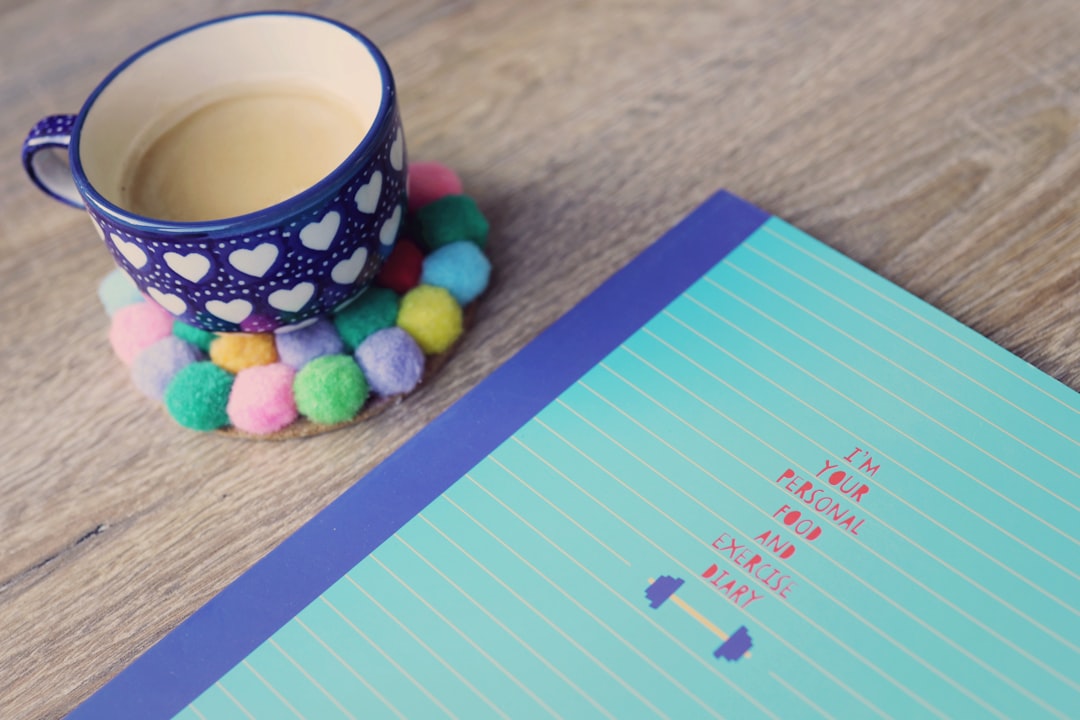
An at-home fitness test can give you a useful baseline for stamina, strength, core endurance, and mobility without gym equipment. This repeatable battery explains how to prepare, which tests to perform, how to record results, and how to compare four-week changes without treating one number as a complete picture of fitness.
Overview
The most useful fitness assessment at home is simple enough to repeat under similar conditions. Rather than testing everything in one exhausting session, use a short battery with five parts: a timed walk or step test, push-ups, sit-to-stand repetitions, a plank hold, and basic mobility checks. Together, these tests provide a practical snapshot of cardiovascular stamina, upper-body pushing strength, lower-body strength endurance, trunk endurance, and movement range.
This is not a medical examination or a competition. The goal is to create a consistent reference point for your own training. A result is meaningful when you can repeat the same test with the same instructions and compare it with your previous performance. If you are returning after time away, use the return-to-fitness plan to rebuild gradually before testing hard.
Before you begin
- Choose a clear, flat area, a sturdy chair, a wall or step, a timer, and a way to record results.
- Test at roughly the same time of day and under similar conditions whenever possible.
- Wear comfortable footwear and avoid testing immediately after a hard workout, poor sleep, or a large meal.
- Complete five to eight minutes of easy movement, such as marching, arm circles, gentle squats, and walking.
- Stop for chest pain, faintness, unusual shortness of breath, sharp pain, loss of balance, or any symptom that feels concerning. Seek appropriate medical guidance if you have a health condition, are pregnant, or are unsure whether vigorous exercise is suitable.
What to track
Perform the tests in the order below, resting for two to three minutes between efforts. Use an easier variation if the standard version is not appropriate. The best test is one you can perform safely and repeat consistently.
| Test | What it measures | Standard approach | Beginner-friendly modification |
|---|---|---|---|
| Timed walk or step test | Stamina and recovery | Walk continuously for a set time on a flat route, or step at a comfortable, repeatable pace while recording duration and perceived effort. | Use a shorter duration, slower pace, or seated marching. Keep the setting safe and stop before symptoms escalate. |
| Push-ups | Upper-body strength endurance | Count technically sound repetitions, keeping the body controlled and stopping when form changes. | Use hands on a wall, countertop, or sturdy elevated surface; knee push-ups are another option if they are comfortable. |
| Sit-to-stand | Lower-body strength endurance and control | From a stable chair, stand fully and sit with control for a set period or count a controlled set. | Use arm support, a higher seat, or a shorter test period. Prioritize balance over speed. |
| Plank | Trunk endurance and whole-body bracing | Hold a forearm or high plank with a neutral body position and record time until form can no longer be maintained. | Place knees on the floor or use an elevated surface. End the hold when the hips sag or rise noticeably. |
| Mobility checks | Movement range and side-to-side differences | Record comfortable range for an overhead reach, squat depth, ankle movement, and a hip or shoulder rotation. | Use a wall, reduce range, or perform the check seated. Never force a joint into pain. |
How to perform the battery
For the walk test, choose a route you can repeat or mark a fixed indoor space. Record time, distance if available, and effort on a simple 1-to-10 scale. For the step option, use a stable low step and a pace you can maintain without holding your breath. Do not use an unstable stool.
For push-ups, count only repetitions that meet your chosen standard. Record the variation, because ten countertop push-ups and ten floor push-ups are different results. During sit-to-stands, keep the chair against a wall and use the same seat each time. For the plank, record both duration and variation. A longer hold is not automatically better if it involves back discomfort or poor positioning.
Mobility is best recorded with notes rather than forced scores. For example: “left ankle reaches wall at 7 cm, right at 5 cm,” “overhead reach is comfortable,” or “squat depth limited by balance.” A short video from the side can help you compare technique, provided it is stored privately.
Printable results template
Copy this template into a notebook or spreadsheet:
- Date and time:
- Sleep, soreness, and notable conditions:
- Timed walk or step test: duration, distance or pace, effort:
- Push-ups: variation, repetitions, form notes:
- Sit-to-stands: chair height, duration or repetitions, support used:
- Plank: variation, time, form notes:
- Mobility: ankle, squat, overhead reach, and side-to-side observations:
- Anything that affected the test:
Cadence and checkpoints
Repeat the full battery every four to six weeks rather than testing every day. That interval gives a beginner workout plan or stamina workout plan enough time to produce a trend while reducing the temptation to react to normal daily variation. Test after an easier day when possible, not immediately after a demanding strength and endurance workout.
Use smaller checkpoints during the month. Once a week, note training sessions completed, average effort, walking or running duration, mobility discomfort, and recovery quality. These supporting measures explain why a test result changed. A simple fitness progress tracker can combine these notes with heart-rate data, but a wearable is optional; consistent observations are more useful than incomplete precision. If you use heart rate, review the guidance in Heart Rate Training Zones Explained and compare readings under similar conditions.
Keep the test protocol stable for at least two retests. Do not change from floor push-ups to countertop push-ups, alter the chair height, or shorten the walking route and then call the result a direct comparison. If you must change a protocol because of pain, equipment, or ability, label the new version clearly and begin a new baseline.
How to interpret changes
Compare trends, not isolated scores. To calculate percentage change for a measure where higher is better, use:
((new result − previous result) ÷ previous result) × 100
For measures where lower is better, such as time needed to complete a fixed distance, reverse the comparison so improvement is not misread. If the first walk took 20 minutes and the next took 18 minutes over the same route, the shorter time may indicate progress, but only if effort and conditions were similar.
Look for patterns across categories. More sit-to-stands with stable technique suggests improving lower-body endurance. A longer plank alongside back discomfort is not a clear win. Better walking performance with unchanged push-ups points toward an endurance improvement and a possible need for more upper-body strength work. Mobility that improves on one side but not the other deserves attention rather than an aggressive stretching response.
Use results to choose one or two training priorities. For stamina, add manageable easy walking, cycling, or a bodyweight endurance workout. For strength, practice the appropriate push-up and sit-to-stand variation two or three times weekly, leaving room for recovery. For mobility, use controlled daily mobility exercises and avoid forcing end ranges. The 15-minute mobility routine can help organize that work. If fatigue accumulates, review the deload guide before adding more volume.
When to revisit
Schedule your next full at-home fitness test four to six weeks after the baseline. Revisit sooner only when you need to establish a new baseline after a long break, a major change in training, or a change in testing ability. Stop testing and seek qualified advice for persistent pain, dizziness, unexplained breathlessness, repeated loss of balance, or symptoms that worsen with exercise.
Review the article and your protocol at least annually, or whenever recognized safety guidance or your personal circumstances change. Age, disability, pregnancy, injury history, medication, and available equipment may require different tests or professional supervision. Do not compare your results with generic online reference ranges unless the test method, population, and measurement conditions genuinely match; personal trend data is usually the most relevant benchmark.
Your next step: choose a date, prepare the equipment, complete the warm-up, record every test variation, and save the results. Then select one training focus for the next four weeks. For a structured starting point, pair your measurements with the beginner home stamina plan, and return to this assessment at the next checkpoint.