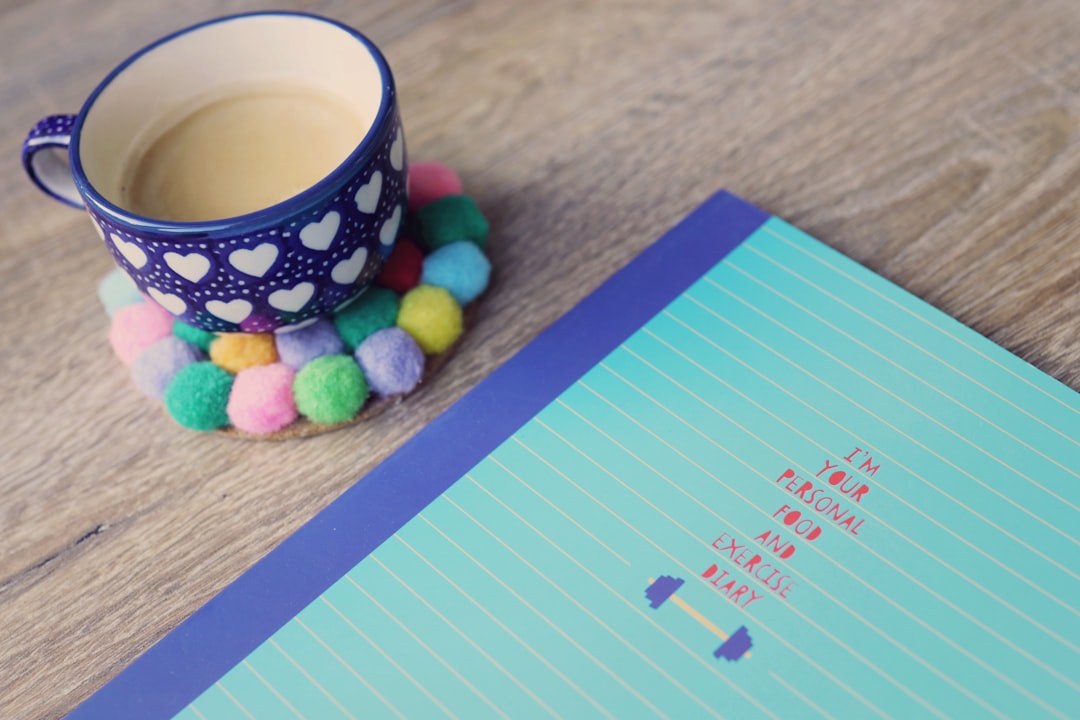
A useful fitness progress tracker does more than record completed workouts. It helps you compare repeatable efforts, notice changes in heart rate and perceived effort, and decide when to train, recover, or adjust your plan. This guide gives you a simple weekly system for tracking stamina, strength, mobility, body measurements, sleep, and recovery without turning every session into a testing day.
Overview
Fitness progress is broader than a heavier dumbbell or a faster run. Stamina may improve when you can maintain the same pace with less effort. Strength may improve through more repetitions, better technique, or a larger training load. Recovery may improve when your usual session feels manageable again sooner. A practical tracker should capture each of these outcomes.
Use four categories:
- Performance: distance, time, pace, repetitions, load, sets, or completed work.
- Internal response: heart rate, breathing difficulty, and rate of perceived exertion (RPE).
- Movement quality: mobility checkpoints, range of motion, technique, and discomfort.
- Readiness: sleep, soreness, energy, stress, and whether you felt prepared to train.
The goal is not to collect every possible metric. The goal is to repeat a small number of measurements under similar conditions so that changes are easier to interpret. A notebook, spreadsheet, notes app, or training platform can all work if you use the same definitions each week.
How to estimate
Start by choosing one or two repeatable tests for each main goal. For stamina, this could be a steady walk, run, cycle, row, or bodyweight circuit performed at a controlled effort. Record the duration, distance or total rounds, average heart rate if available, and RPE on a scale from 1 to 10. For strength, select movements that appear regularly in your training and record the load, repetitions, sets, and technique quality.
Compare like with like. A 30-minute run after poor sleep should not be treated as a direct comparison with a 30-minute run after a rest day. You can still record both, but add context so you do not mistake temporary fatigue for lost fitness.
Useful estimates for workout tracking
- Training volume: for resistance exercises, multiply sets by repetitions by load. Keep the exercise and range of motion consistent when comparing sessions.
- Strength trend: compare the same lift across several weeks, or estimate a one-repetition maximum from a submaximal set. One common estimate is load × (1 + repetitions ÷ 30). Treat this as a rough comparison tool, not a replacement for a tested maximum.
- Cardio pace: divide time by distance, or distance by time, and use the same unit each time. Pair pace with heart rate and RPE because pace alone can be affected by hills, heat, terrain, and fatigue.
- Heart-rate response: compare heart rate at a similar pace, duration, and effort. A lower reading can be useful context, but device accuracy, hydration, temperature, stress, and medication can all affect readings.
For a simple weekly summary, calculate the average RPE for your main sessions, total resistance-training sets, total endurance time, and the number of planned sessions completed. Avoid treating the summary as a score. It is a record that helps you make the next decision.
Inputs and assumptions
Before you begin, define what each input means. This prevents the tracker from changing its rules halfway through a training block.
| Input | How to record it | Why it helps |
|---|---|---|
| Workout performance | Load, repetitions, distance, duration, pace, or rounds | Shows what you completed |
| RPE | Rate the whole session from 1, very easy, to 10, maximal | Adds context to the result |
| Heart rate | Record average or selected readings from comparable work | Helps assess internal effort |
| Mobility | Use a repeatable movement check and note range or discomfort | Tracks movement quality |
| Recovery | Sleep duration, soreness, energy, and stress using simple ratings | Explains day-to-day variation |
| Body measurements | Use the same time, equipment, and conditions | Shows longer-term change |
Use a short scale for subjective inputs. For example, record sleep quality, energy, and soreness from 1 to 5. Do not change the scale to make a difficult week look better or a good week look worse. Body weight and circumference can fluctuate for reasons unrelated to fat or muscle change, so review trends rather than single readings.
Your assumptions should also include the training context: exercise variation, rest periods, footwear, terrain, time of day, and whether the session was performed at home or in a gym. If your schedule changes, note it. For guidance on choosing a sustainable schedule, see How Many Days a Week Should You Work Out? You can also pair this tracker with a hydration calculator or protein intake calculator when nutrition is part of your goal.
Worked examples
Example 1: Stamina progress
Suppose you perform a 25-minute steady run once each week. In week one, you cover 3.2 kilometres at an RPE of 7, with an average heart rate of าค. In week four, you cover 3.2 kilometres at an RPE of 6 under similar conditions. The distance has not changed, but the lower perceived effort suggests a possible improvement in stamina. If the heart-rate readings are also comparable or lower, the trend is more convincing. Continue observing rather than making a decision from one session.
If your pace improves but RPE rises sharply, the session may have become a harder workout rather than evidence of improved easy-effort endurance. Record both facts.
Example 2: Strength progress
For a dumbbell press, you record three sets of 8 repetitions with 20 kilograms per hand in week one. In week five, you complete three sets of 10 with the same load and controlled form. Your total repetitions have increased from 24 to 30, so the training volume has risen even though the load has not. That is meaningful progress if technique and range of motion remain consistent.
You could use a one rep max calculator or an estimated formula to compare strength trends, but do not chase an estimate when you are fatigued or your form is deteriorating. A clean, repeatable set is more useful than a forced personal best.
Example 3: Recovery and mobility
You note sleep quality of 4 out of 5, soreness of 2 out of 5, and a comfortable deep squat during a weekly mobility check. The next week, sleep quality falls to 2, soreness rises to 4, and the same squat produces discomfort. Rather than interpreting this as a permanent loss of mobility, reduce intensity, use a lighter session, and reassess after recovery. The tracker is working because it connects performance with readiness.
When to recalculate
Review your fitness progress tracker once each week and complete a broader review every four to six weeks. Weekly reviews should answer practical questions: Did I complete the planned work? Which sessions felt unusually hard? Is soreness affecting technique? Do I need more recovery before repeating a demanding workout?
Recalculate or redefine your baseline when your training changes substantially. Examples include switching from running to cycling, changing exercise selection, moving from home workouts to a gym, changing your usual session duration, or returning after illness or a prolonged break. A new baseline is not a setback; it is a more honest comparison point.
Use these signals to adjust:
- If performance is stable and RPE is falling, progress gradually by adding a small amount of time, load, or repetition.
- If performance is falling and recovery ratings are poor, reduce workload or add rest before changing your entire plan.
- If performance is falling while recovery appears normal, check technique, exercise order, nutrition, and measurement consistency.
- If pain is worsening, changes your movement, or persists, stop using the tracker as a reason to push through and seek qualified clinical guidance.
Keep the system small enough to maintain. At the end of each week, copy this template:
- Endurance: duration, distance or pace, heart rate if available, and RPE.
- Strength: key exercises, load, repetitions, sets, and technique notes.
- Mobility: one or two repeatable checks and any discomfort.
- Recovery: sleep, soreness, energy, and stress ratings.
- Next step: maintain, progress slightly, modify, or recover.
Consistent records turn scattered workouts into usable information. Revisit the inputs when your goals or circumstances change, but avoid changing the measuring system every time results are imperfect. A simple, repeatable fitness progress tracker can show stamina progress, support safer strength decisions, and make recovery part of the plan rather than an afterthought. For movement support, explore this daily mobility routine, and for post-session habits, review recovery methods after hard workouts.