RPE training gives you a practical answer to the question, “How hard should I train?” This guide explains rating of perceived exertion and reps in reserve, then turns them into a reusable checklist for strength sessions, endurance work, bodyweight workouts, and days when sleep, stress, or soreness changes your plan.
Overview
RPE, or rate of perceived exertion, is a self-coaching system for matching training effort to your current capacity. Instead of relying only on a fixed weight, pace, or heart-rate target, you assess how demanding the work feels and adjust the session when needed.
For strength training, RPE is often paired with reps in reserve (RIR): the number of technically sound repetitions you believe you could still complete at the end of a set. The relationship is simple:
| RPE | Approximate RIR | What it feels like |
|---|---|---|
| 10 | 0 | No good repetitions remain; the set is at its limit. |
| 9 | 1 | You could complete about one more controlled repetition. |
| 8 | 2 | You could complete about two more repetitions. |
| 7 | 3 | Challenging, but several quality repetitions remain. |
| 6 | 4 | Moderate effort with plenty of control. |
| 5 or lower | 5 or more | Easy effort, often useful for warm-ups or recovery work. |
These ratings are estimates, not laboratory measurements. They become more useful when you apply them consistently to the same exercise and record the load, repetitions, rest time, and how the set felt. For most general strength work, finishing many working sets around RPE 7–9 can provide a demanding stimulus without making every session a test. Beginners can usually start farther from failure while they learn technique and build consistency.
RPE also works for endurance training, although the cues are different. An easy aerobic session may feel like RPE 3–4, where conversation is comfortable. A steady session may be around RPE 5–6, where speaking requires shorter phrases. Hard intervals may reach RPE 7–9, but should be used selectively within an appropriate endurance training plan. You can combine perceived effort with pace, duration, or heart-rate information; neither a number nor a wearable should override obvious signs that you need to reduce the workload.
Checklist by scenario
Strength exercises with external load
- Choose a target. For example, plan three sets of eight at approximately RPE 7–8, leaving two to three good repetitions in reserve.
- Warm up gradually. Use lighter sets to practise the movement and assess how your joints, coordination, and energy feel that day.
- Rate the final repetitions. Ask whether your technique would remain controlled for two more repetitions. If yes, the set may be below the target; if no, it may be above it.
- Adjust conservatively. If the first working set is much harder than planned, reduce the load, perform fewer repetitions, or add rest. Do not force the original number simply because it was written in the programme.
- Record the result. Note the load, repetitions, RPE, and any technique limitation. This gives you a better basis for the next session than load alone.
Bodyweight and home workouts
RPE is especially useful when a home workout plan has limited equipment. Change difficulty by adjusting leverage, range of motion, tempo, repetitions, rest, or the exercise variation. For example, if push-ups at the planned variation reach RPE 9 in the first set, switch to an easier variation or stop with fewer repetitions. If they feel like RPE 6 throughout, use a more challenging variation next time rather than adding rushed repetitions.
Running, cycling, and other endurance sessions
- Set an effort range before starting, such as easy RPE 3–4 for a recovery session or RPE 7–8 for a controlled interval.
- Check the first portion of the workout rather than judging the entire session by the opening minutes.
- Use the talk test, breathing, pace, terrain, and heart-rate trend as supporting information.
- Keep easy sessions genuinely easy enough to support the harder work later in the week.
- If effort rises unexpectedly, shorten the interval, slow the pace, or finish with easy movement.
For a more complete framework, pair this approach with the guide to heart-rate training zones. Perceived effort is also helpful when heat, hills, fatigue, or equipment make pace comparisons unreliable.
When sleep, stress, or soreness is different
Use a readiness check before changing the plan: How did you sleep? Do you feel unusually sore? Is your warm-up moving normally? Is your motivation low because the session is difficult, or because you feel generally unwell? If several answers point to reduced readiness, keep the movement pattern but lower the load or target RPE. A planned RPE 8 session might become an RPE 6–7 technique session. If pain is sharp, worsening, or changes your movement, stop the exercise and seek appropriate professional advice.
What to double-check
- Technique comes first. Count only repetitions that meet your planned range of motion and remain controlled. A set is not RPE 8 because you can move through unsafe or shortened repetitions.
- RPE depends on the exercise. A set of a stable machine exercise may be easier to judge than a technically complex lift. Use more conservative targets for unfamiliar or high-skill movements.
- Rest affects the rating. A set completed after one minute may feel harder than the same set after three minutes. Keep rest reasonably consistent when comparing sessions.
- Distinguish muscular effort from symptoms. Burning muscles and heavy breathing can be normal training sensations; joint pain, sudden pain, dizziness, or unusual shortness of breath should not be treated as a target RPE.
- Check the trend, not one number. If the same load and repetitions gradually feel easier, that is useful progress. Confirm it across multiple sessions before making a large increase.
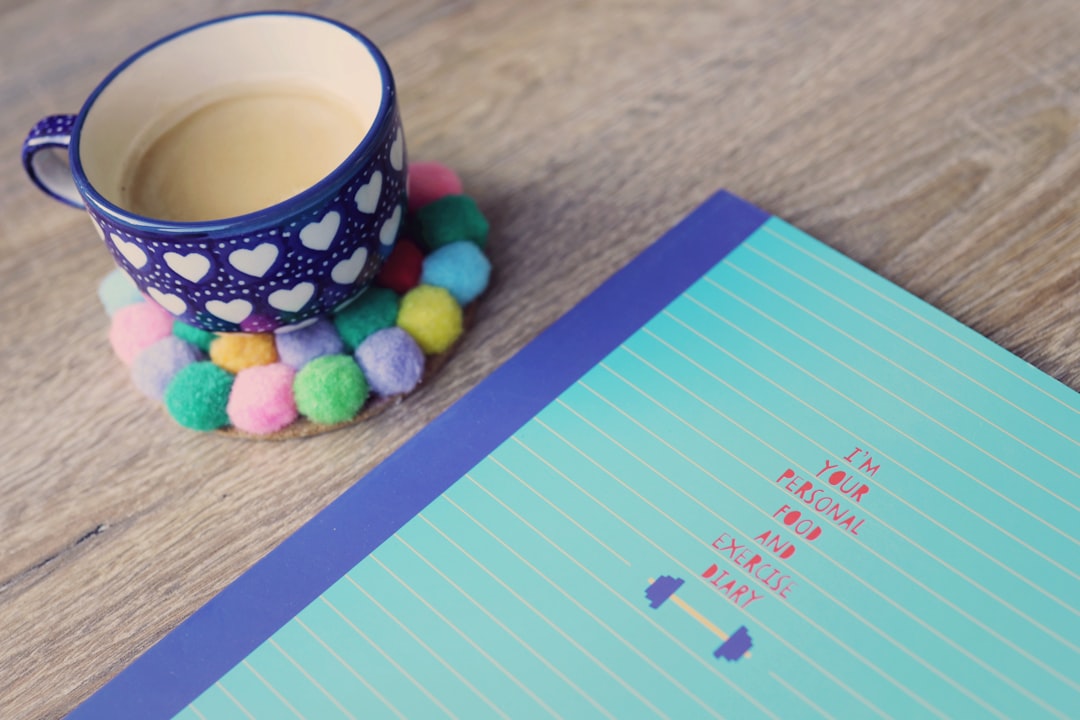
A simple training log can include: exercise, sets, repetitions, load or pace, planned RPE, actual RPE, rest, and one short note. The fitness progress tracker guide can help you decide which measures are worth recording for stamina, strength, and recovery.
Common mistakes
Chasing RPE 10 every session: Maximum effort has a place, but making every set a limit attempt can reduce technique quality and recovery. Most training should leave room to repeat good work.
Confusing discomfort with failure: A difficult set does not automatically mean you had zero repetitions left. Estimate RIR based on controlled technique, not on how uncomfortable the set became.
Changing too many variables: If you alter load, repetitions, tempo, rest, and exercise variation at once, you lose useful comparison data. Change one main variable when possible.
Ignoring the warm-up: A warm-up is not only preparation; it is information. An unusually heavy warm-up can justify reducing the working target.
Using RPE as permission to skip structure: Autoregulation works best inside a plan. Keep the broad movement, frequency, and progression strategy consistent, then use RPE to make sensible day-to-day adjustments. For a structured starting point, see the 8-week beginner stamina workout plan.
When to revisit
Review your RPE approach after three to six comparable sessions, or sooner if the plan, exercise selection, schedule, or recovery conditions change. If your recorded RPE is consistently lower than the target and technique remains strong, increase the load slightly, add a repetition, or progress the exercise variation. If it is consistently higher, reduce the demand or investigate sleep, nutrition, stress, accumulated fatigue, and rest periods.
Revisit your effort scale before a new training block, after a break, when seasonal conditions change, and whenever you move from home training to a gym or from flat routes to hills. Also update the plan if pain, illness, or persistent exhaustion affects performance. Before your next workout, write down one target range, complete a gradual warm-up, rate the first working set, and make only the smallest adjustment needed to keep the session safe and productive.