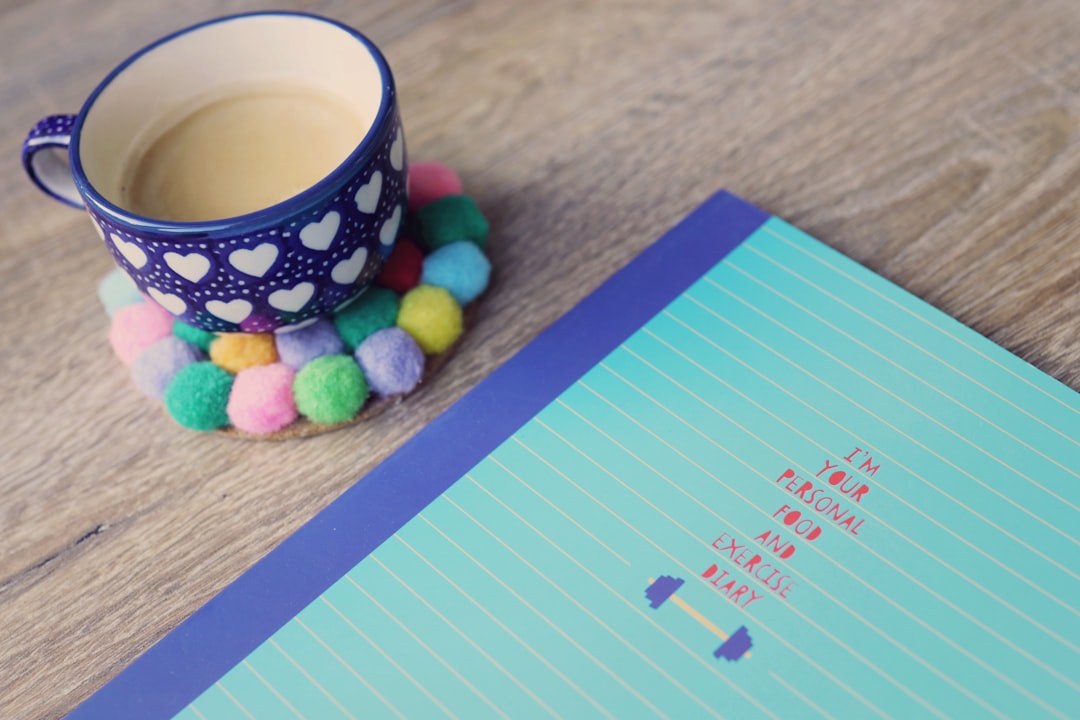
Every fitness journey comes sprinkled with obstacles, setbacks, and moments where progress seems to stall or even regress. These fitness failures often threaten motivation and can lead enthusiasts to abandon their goals prematurely. However, when approached through the lens of community support and shared vulnerability, these hurdles transform into powerful memorable milestones—markers of growth and resilience that sustain long-term stamina building and athletic success.
Understanding Fitness Failures as Bridges, Not Barriers
Reframing the Narrative Around Setbacks
Fitness failures—missed workouts, plateaus, or poor race performances—are often interpreted negatively, but cognitive science and sports psychology emphasize reframing these as learning opportunities. Recognizing that failure is embedded in the growth process helps reduce shame and fosters persistence. This perspective shift is essential when we share these stories within a community setting, inviting others to reflect and connect.
Physiological and Psychological Impacts of Setbacks
From an evidence-backed viewpoint, experiencing setbacks triggers a natural neurochemical response that can lower motivation temporarily but also primes the brain for adaptive learning. Engaging with a supportive community can mediate the stress hormone cortisol’s effects, boosting dopamine release linked to recovery and renewed focus on training plans. For deeper insight on optimizing training plans scientifically, see our guide on Train for the Peaks: Fitness Plan to Prepare for High-Altitude Drakensberg Hikes.
Leveraging Failure for Long-Term Stamina Building
Training endurance is fundamentally about progressive overload and recovery cycles. Setbacks can reveal weaknesses—be it in aerobic conditioning, nutrition, or recovery strategies—that, when addressed, become catalysts for lasting stamina improvements. Sharing such revelations with peers, coaches, or online communities enhances accountability and motivation.
The Power of Sharing Stories in Fitness Communities
Why Vulnerability Fosters Connection
Openly discussing struggles creates a psychological bridge and normalizes challenges, reducing isolation. Fitness communities thrive when members are candid about obstacles because it invites empathy and collective problem-solving. Facilitating this openness requires a culture that values trustworthiness and mutual respect, hallmarks we emphasize extensively in our guide on The Mindful Creator: How Media Companies Are Rethinking Platforms and What That Means for Wellness Content.
Platforms and Formats That Encourage Sharing
From in-person group sessions to social media and dedicated forum threads, various platforms serve different sharing needs. For example, group chats enable real-time motivational support, while longer blog-style posts help articulate challenges more thoroughly. Studies indicate that multi-format engagement increases collective motivation and accountability, a concept we detail further in our Capture and Monetize LIVE Streams Shared via Bluesky: A Creator’s Guide.
Storytelling Techniques That Inspire Action
Structuring failure stories with a clear arc—challenge, struggle, adaptation, and progress—draws listeners in and provides actionable lessons. Highlighting specific obstacles and responses, such as nutrition adjustments or recovery protocols, lends authority and relatability. For practical tweaks in nutrition and stamina optimization, consult our article on Marathon Performance Guide: Optimizing Visuals and Framerate on PC.
Building and Nurturing Community Support Networks
Establishing Safe and Positive Environments
Communities flourish when members feel safe sharing failures without fear of judgment or unsolicited criticism. Guidelines for respect, constructive feedback, and confidentiality are critical. Moderators and community leaders can help enforce these principles to sustain engagement, as explored in Moderators, Unions, and Esports: What TikTok’s UK Dispute Signals for Gaming Communities.
Encouraging Peer-to-Peer Accountability
Accountability partners or small groups hold members to progressive, personalized goals. Sharing milestones—even from failure to newfound success—publicly reinforces commitment. Our comprehensive approach to creating structured training routines is discussed in Train for the Peaks: Fitness Plan to Prepare for High-Altitude Drakensberg Hikes.
Leveraging Technology for Continuous Engagement
Apps, live streams, and forums enable persistent connection beyond scheduled workouts. For instance, wearable tech tracked data can serve as prompts for discussion and troubleshooting. We provide thoughtful gear reviews and tech integration advice in Battery Life & Portability: Choosing a Wearable or Handheld Light Device That Fits Your Life.
Overcoming Challenges Through Collective Motivation
The Science Behind Collective Motivation
Neuroscience demonstrates that group encouragement activates reward centers in the brain, enhancing effort and endurance capacity. This social reinforcement is essential for sustaining rigorous training regimens that otherwise lead to burnout. The psychological mechanisms at play align closely with findings in our analysis of creative and performance burnout in How Burnout Shapes Performance: Lessons from Walton Goggins.
Case Studies: Turning Failures into Inspiring Comebacks
Numerous athletes and fitness enthusiasts have shared how community feedback transformed their fitness paradigms. One marathoner shifted from repeated injury to a personal best after joining an online accountability circle that provided actionable corrections and emotional support. Similar stories can be found discussed with evidence-backed endurance training in Train for the Peaks.
Practical Strategies to Boost Group Motivation
Incorporating challenges, rewards, public acknowledgments, and shared milestones incentivizes participation. Community challenges tied to incremental stamina goals deliver measurable motivation boosts. For detailed training progressions supporting stamina, see Marathon Performance Guide.
Effective Communication: Sharing Fitness Failures Authentically
Using Honest and Empowering Language
Avoid minimizing or dramatizing failures. Instead, use language that accepts imperfection while focusing on tangible takeaways and future intentions. This approach fosters empathy and constructive dialogue.
Balancing Personal Stories and Actionable Advice
Stories that blend vulnerability with lessons learned are especially powerful. For example, detailing how a nutrition mistake led to fatigue, and linking to researched supplement strategies, combines inspiration with utility. Our evidence-based supplement guidance can be explored in Train for the Peaks Fitness Plan and related nutrition articles.
Encouraging Others to Share Without Pressure
Creating low-stakes opportunities for sharing—such as short comment prompts or anonymous posts—lowers barriers. Regularly modeling vulnerability as a community leader sustains openness.
Nutrition and Supplementation During Setbacks
Identifying Nutritional Pitfalls that Contribute to Failures
Common causes of impaired stamina include under-fueling, dehydration, and micronutrient deficits. These often masquerade as training failure but are correctable. Detailed nutrition insights can be referenced at Train for the Peaks Fitness Plan.
Supplements That Aid Recovery and Endurance
Scientific reviews support supplements like beta-alanine, caffeine, and branched-chain amino acids for improved endurance and recovery. Sharing real-world experiences with these supplements in community forums encourages informed experimentation and accountability.
Coordinating Nutrition Advice with Community Input
Pooling collective knowledge enables discovering personalized solutions and avoiding one-size-fits-all pitfalls. For example, discussing individual responses to carbohydrate timing can illuminate best practices.
Tracking Progress and Learning from Community Feedback
Effective Data Tracking Tools and Metrics
Apps and wearables track heart rate variability, pace consistency, fatigue levels, and other metrics crucial for stamina building. Presenting this data during community discussions grounds stories in objective evidence. Learn more about recommended devices at Battery Life & Portability: Choosing a Wearable or Handheld Light Device That Fits Your Life.
Interpreting Feedback to Adjust Training Plans
Community members can spot patterns, advise on overtraining, and recommend recovery techniques. This collaborative approach reduces the chances of repeated failure cycles.
Celebrating Micro-Milestones to Sustain Motivation
Recognizing incremental improvements publicly nurtures positive reinforcement loops that empower long-term dedication to goals.
Recovery and Mental Resilience: The Cornerstones Beyond Failure
The Role of Sleep and Stress Management
Quality sleep aids muscle repair and neurological restoration critical for endurance. Communities that discuss sleep hygiene, mindfulness, and stress reduction contribute to building robust mental stamina.
Recognizing and Preventing Burnout
Persistent failures without proper recovery can lead to burnout. Sharing warning signs and recovery tactics within communities mitigates this risk. Insights on managing burnout are presented in How Burnout Shapes Performance.
Encouraging Resilience Through Shared Wisdom
Recovery conversations paired with shared personal stories reinforce the importance of patience and adaptive training strategies.
Comparison Table: Approaches to Sharing Fitness Failures and Community Response
| Sharing Approach | Community Response | Benefits | Challenges | Recommended Platforms |
|---|---|---|---|---|
| Anonymous Posting | Support with low pressure | Encourages honesty, protects privacy | Limited follow-up interaction | Forums, anonymous chat apps |
| Personal Blog Posts | In-depth feedback and storytelling | Detailed advice, motivational arcs | Time-consuming, risks vulnerability exposure | Medium, personal websites |
| Live Video Sharing | Immediate interaction and encouragement | High engagement, authentic connection | Performance anxiety, technical issues | Instagram Live, Bluesky live streams (Bluesky Stream Guide) |
| Small Group Discussions | Personalized advice, trust building | Accountability, tailored feedback | Can exclude new members | WhatsApp groups, Discord |
| Social Media Posts | Wide reach and diverse input | Inspiration, large community support | Potential for negative comments | Facebook, Instagram, TikTok |
Pro Tip: Sharing your fitness failures with a structured story—highlighting what went wrong, how you felt, and your plan to recover—makes it easier for others to relate and offer meaningful support.
FAQ: Navigating Fitness Failures with Community Support
How can I start sharing my fitness failures without feeling judged?
Begin in smaller, trusted groups or anonymous forums where vulnerability is valued. Use positive and constructive language focusing on lessons learned. Remember that everyone faces setbacks.
What types of community support are most effective for overcoming setbacks?
Peer accountability, constructive feedback, and emotional encouragement have proven most effective. Engage in platforms where meaningful dialogue and empathy are encouraged.
How do I handle negative or discouraging feedback when sharing online?
Set clear community guidelines, use moderation tools to filter toxic comments, and focus on supportive communities known for positive culture.
Can sharing failures actually improve my stamina and performance?
Yes. Sharing fosters accountability, opens up new strategies for improvement, and reduces psychological barriers, all contributing to better performance.
Are there recommended tools to track progress and share within communities?
Wearables and apps that track heart rate variability, training load, and recovery metrics are ideal. Sharing this data with your support network enhances collaboration, as discussed in our guide on wearable devices.
Related Reading
- Train for the Peaks: Fitness Plan to Prepare for High-Altitude Drakensberg Hikes - A detailed approach to endurance-building training and recovery.
- The Mindful Creator: How Media Companies Are Rethinking Platforms and What That Means for Wellness Content - Insights on fostering safe and authentic wellness communities.
- Capture and Monetize LIVE Streams Shared via Bluesky: A Creator’s Guide - Leveraging live video for authentic engagement.
- Battery Life & Portability: Choosing a Wearable or Handheld Light Device That Fits Your Life - Practical advice on tech gear to support training and sharing.
- How Burnout Shapes Performance: Lessons from Walton Goggins - Discover psychological strategies to prevent burnout during tough training periods.