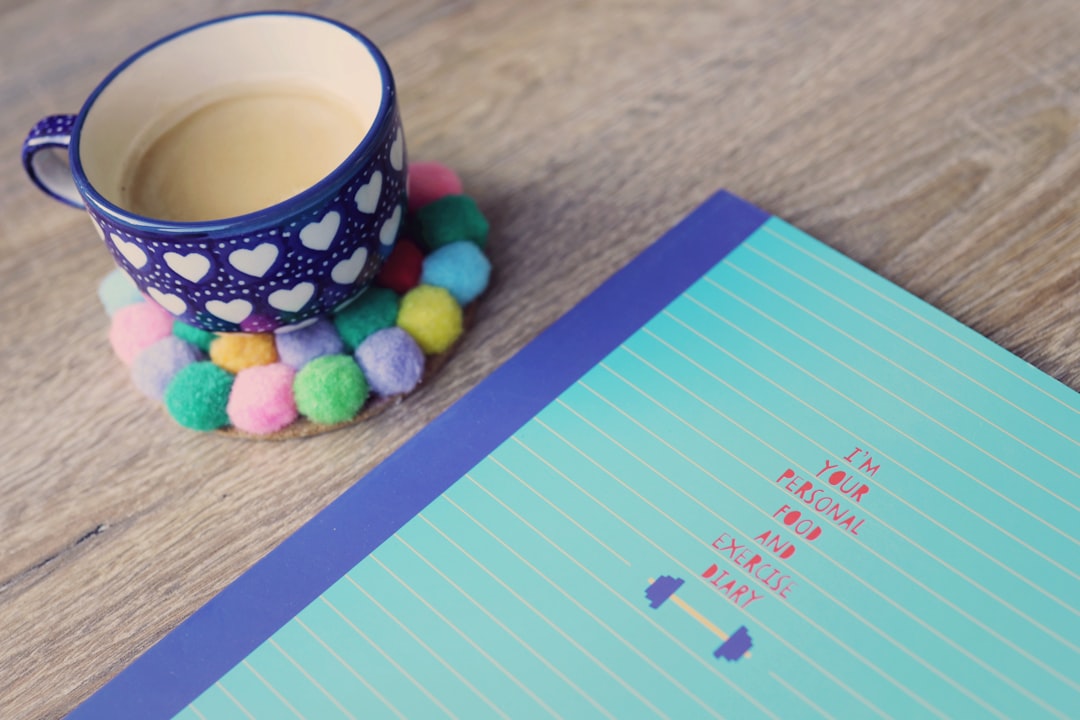
This 8-week hybrid stamina plan helps you build endurance without letting strength work disappear, even when you have only three or four weekly training slots. You will use two strength-focused sessions, one conditioning session, and an optional mobility or easy-aerobic session, with clear progression rules, short-session alternatives, and checkpoints you can repeat every four weeks.
Overview
A strength and endurance workout works best when each quality has a clear job. Strength sessions maintain or improve force production through controlled repetitions and challenging loads. Conditioning sessions develop your ability to sustain work and recover between efforts. Easy aerobic work and mobility support both without adding unnecessary fatigue.
This plan assumes you can train three days per week, with a fourth day available when recovery, schedule, and motivation allow. Space the harder sessions apart when possible. For example, train on Monday, Wednesday, and Saturday, with an optional Thursday or Sunday session. If you are returning after a long break, use the easier options and reduce the starting volume. The return-to-fitness progression can help you establish a safer starting point.
Weekly structure
- Session A: Full-body strength. Squat or lunge, push, pull, hinge, and trunk work.
- Session B: Endurance intervals. Repeated moderate-to-hard efforts separated by easy recovery.
- Session C: Strength endurance. Full-body movements performed at a controlled pace, stopping before technique deteriorates.
- Optional Session D: Easy aerobic work and mobility. Conversational-pace walking, cycling, jogging, or another low-impact activity followed by a short mobility routine.
Keep most strength sets around an RPE of 6 to 8, meaning you finish with roughly two to four good repetitions still available. For a deeper explanation of effort control, use the RPE and reps-in-reserve guide. Conditioning should feel purposeful, not like an all-out test every week.
Choose the session length that fits your week
| Session length | Bodyweight | Minimal gear | Gym |
|---|---|---|---|
| 20 minutes | Three rounds: squat, push-up, reverse lunge, mountain climber; work steadily for 30 seconds per move. | Two rounds of goblet squat, dumbbell row, Romanian deadlift, and push-up. | One lower-body lift, one push, one pull, and a six-minute conditioning finisher. |
| 40 minutes | Warm up, then four rounds of five movements with 45 seconds of work and 30 seconds of rest. | Three strength supersets followed by eight to ten minutes of intervals. | Three main lifts for three sets each, then a short bike, rower, or treadmill interval block. |
| 60 minutes | Movement preparation, five rounds of a bodyweight circuit, and a 15-minute easy aerobic finish. | Four strength movements, accessory trunk work, and ten to fifteen minutes of intervals. | Strength work with full rest periods, followed by controlled conditioning and mobility. |
When time is limited, preserve the main strength movements first. A 20-minute session completed consistently is more useful than a longer plan you regularly skip. Exercise substitutions are available in this home workout substitution chart.
What to track
Track enough information to make decisions, not every possible detail. Record the following after each session:
- Exercise, sets, repetitions, and load: For bodyweight movements, note the variation and tempo.
- Session RPE: Rate the overall difficulty from 1 to 10 about 15 minutes after training.
- Conditioning details: Record interval duration, recovery duration, distance or repetitions, and the quality of the final interval.
- Heart-rate context: If you use a monitor, record average or peak readings consistently. Heart-rate data is most useful when compared under similar conditions; see the heart-rate zone guide.
- Recovery notes: Mark sleep quality, unusual soreness, stress, and any pain that changes your movement.
Printable weekly template
Copy this template into a notebook, notes app, or printed sheet. Fill it in before the next week begins, then review it briefly after each workout.
| Day | Planned session | Completed work | RPE | Recovery note |
|---|---|---|---|---|
| Monday | Strength A | ________________ | ___ / 10 | ________________ |
| Wednesday | Intervals | ________________ | ___ / 10 | ________________ |
| Friday or Saturday | Strength endurance | ________________ | ___ / 10 | ________________ |
| Optional day | Easy aerobic + mobility | ________________ | ___ / 10 | ________________ |
Cadence and checkpoints
Use a gradual progression rather than increasing every variable at once. The following eight-week workflow gives you a repeatable structure:
- Week 1: Establish a baseline. Use conservative loads and leave three or four repetitions in reserve. Complete the minimum version of each session.
- Week 2: Add consistency. Repeat the exercises and aim to complete one additional set on one or two movements, or add five minutes to easy aerobic work.
- Week 3: Add controlled intensity. Increase load slightly if all repetitions were technically sound, or reduce interval recovery by a small amount while keeping effort submaximal.
- Week 4: Consolidate and retest. Keep volume steady or reduce it modestly. Perform the four-week checks below rather than chasing exhaustion.
- Week 5: Restart slightly above Week 2. Use the best-performing variations from the first block and add a small amount of volume only where recovery was good.
- Week 6: Progress one quality. Either add a repetition, a set, a small load increase, or a longer interval. Do not increase all four.
- Week 7: Practice your strongest format. Maintain strength quality and make the final interval or circuit more even, not necessarily faster.
- Week 8: Reduce fatigue and retest. Lower training volume for several days, then repeat the same tests under similar conditions.
Four-week retest checklist
- Repeat a timed effort, such as a fixed-distance walk, run, cycle, or a set-duration circuit. Record distance, repetitions, and RPE.
- Repeat one upper-body and one lower-body rep test using the same variation. Stop when technique changes.
- Compare a selected strength movement at the same load: did you complete more repetitions at a similar RPE?
- Review your training log for missed sessions, rising RPE, and recurring soreness.
Eight-week retest checklist
Repeat the four-week tests, then add one longer controlled effort and one strength benchmark. A benchmark might be three sets of a consistent exercise at a fixed load, not a maximal lift. If you do test a heavy lift, use a conservative approach and stop well before loss of form. A fitness progress tracker can help organize these measurements.
How to interpret changes
Progress is not limited to heavier weights or a faster time. A useful result can be completing the same work at a lower RPE, recovering more quickly between intervals, or maintaining better technique late in a session.
- Endurance improves, strength is stable: Keep the conditioning dose and add a small amount of strength volume, such as one set on a key movement.
- Strength improves, conditioning falls: Reduce lifting accessories or keep strength sets farther from failure. Protect one consistent interval session.
- Both improve: Repeat the structure for another cycle, changing only one exercise or progression variable.
- Both decline and RPE rises: Treat this as a recovery signal. Remove the optional day, reduce sets, and consider a seven-day deload using the deload guide.
- Pain changes your movement: Stop that exercise and substitute a pain-free pattern. Persistent or worsening pain warrants assessment by an appropriate health professional.
Heart-rate readings, body weight, and sleep can fluctuate for many reasons, so avoid changing the entire plan after one unusual workout. Look for a pattern across two or three sessions. Nutrition also matters: regular meals, sufficient fluids, and a carbohydrate-containing meal before demanding training may support session quality. Use the workout nutrition planner for practical options.
When to revisit
Review your weekly template at the end of every week and run a formal checkpoint every four weeks. At the eight-week mark, choose the next cycle based on the weakest result: add strength volume if force production lagged, maintain lifting and add modest aerobic work if endurance lagged, or repeat the same cycle if both improved.
Revisit the exercise selection when equipment, schedule, or symptoms change. Revisit the session-length table whenever a busy period begins so you can switch to the 20-minute version without abandoning training. If you miss more than a week, do not resume at the previous peak volume; restart with the easier options and build back gradually.
Your next action: choose three training days, write down one strength movement and one conditioning test, and complete Week 1 at an RPE of no more than 7. Record the result, schedule the four-week checkpoint, and let the log—not a single difficult workout—decide how you progress.