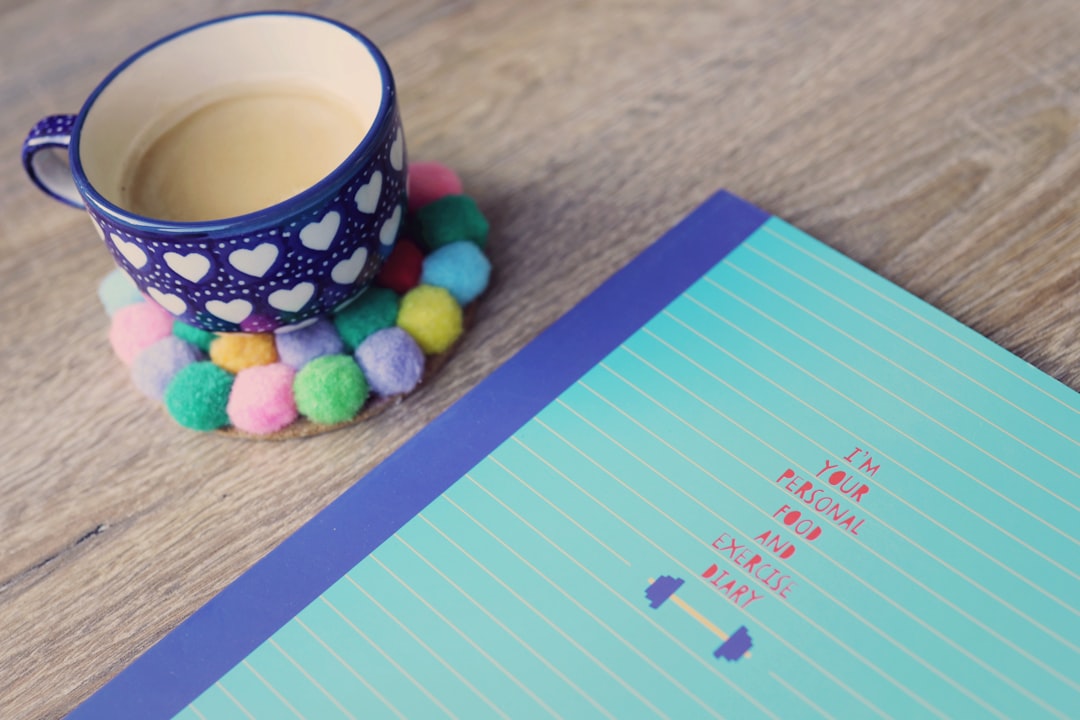
When a workout calls for equipment you do not have—or a movement does not feel right—you do not need to abandon the session. This home workout exercise substitution chart matches common strength and conditioning movements with bodyweight, resistance-band, dumbbell, and household-object alternatives, plus difficulty levels, target muscles, and form cues. Use it to keep the training goal consistent while adapting the exercise to your space, equipment, and current ability.
Overview
A useful substitution preserves the purpose of an exercise rather than copying its appearance. A barbell squat, for example, trains a squat pattern with substantial work from the legs and trunk. A bodyweight squat can preserve the pattern when the barbell is unavailable, while a split squat may be a better option when you need a more challenging leg exercise with less total load.
Before replacing a movement, identify four things:
- Movement pattern: squat, hinge, push, pull, lunge, carry, or core stability.
- Training goal: strength, muscular endurance, power, mobility, or general conditioning.
- Available resistance: bodyweight, bands, dumbbells, a backpack, or a stable household object.
- Your response: whether the exercise is merely inconvenient or causes sharp, worsening, or unfamiliar pain.
For ordinary equipment limitations, choose an alternative from the same pattern. For discomfort, do not force a close imitation. Reduce the range of motion, change the angle, lower the resistance, or select a different pattern. Persistent pain, swelling, numbness, or a loss of function warrants assessment by an appropriate healthcare professional.
How to compare options
Compare substitutions by the demands they place on your body, not by the name of the exercise. The best option is usually the one you can perform with controlled technique, repeat consistently, and progress over time.
- Match the pattern first. Replace a horizontal push with another horizontal push when possible, such as a push-up with a dumbbell floor press. This keeps the session balanced.
- Match the main muscles second. A squat variation generally emphasizes the quadriceps and glutes; a hinge variation emphasizes the glutes, hamstrings, and back muscles.
- Match the difficulty. If the replacement is easier, use more repetitions, a slower lowering phase, a pause, or a harder variation. If it is harder, reduce repetitions or use assistance.
- Match the training intent. A conditioning circuit may benefit from a simple, low-skill bodyweight option. A strength-focused session may need an exercise that allows more resistance and longer rest.
- Check the setup. Household objects should be stable, intact, and easy to grip. Do not use a chair that slides, a table that is not designed to bear your weight, or a container that may leak or break.
Use a perceived-effort scale to guide the adjustment. If a replacement feels much easier than the original, gradually increase the challenge while keeping one or more controlled repetitions in reserve. The RPE training guide explains how to use effort and reps in reserve to plan these changes.
Feature-by-feature breakdown
The chart below is a starting point rather than a ranking. Difficulty depends on leverage, range of motion, load, tempo, and your training experience.
| Primary movement | Bodyweight alternative | Band, dumbbell, or household alternative | Typical emphasis and form cue |
|---|---|---|---|
| Back squat | Bodyweight squat or pause squat Beginner to intermediate | Goblet squat with a dumbbell or loaded backpack Intermediate | Quadriceps, glutes, and trunk. Keep the whole foot grounded and lower only as far as you can control your pelvis and knees. |
| Deadlift | Single-leg hip hinge Intermediate | Dumbbell Romanian deadlift or backpack hinge Beginner to intermediate | Glutes and hamstrings. Push the hips back, keep the load close, and avoid rounding to reach a deeper position. |
| Bench press | Incline, knee, or standard push-up Beginner to advanced | Dumbbell floor press or band chest press Beginner to intermediate | Chest, shoulders, and triceps. Keep the ribs controlled and let the elbows travel at a comfortable angle rather than flaring aggressively. |
| Overhead press | Pike push-up or elevated pike push-up Intermediate to advanced | Half-kneeling one-arm dumbbell press or band press Beginner to intermediate | Shoulders and triceps. Brace the trunk and stop if overhead motion produces sharp shoulder discomfort. |
| Pull-up or lat pulldown | Prone Y-T raise or floor swimmer Beginner to intermediate | Resistance-band pulldown or one-arm dumbbell row Beginner to intermediate | Upper back and arms. Pull the shoulder blade toward the back pocket without shrugging or twisting the torso. |
| Barbell row | Prone row lift-off Beginner | Supported one-arm dumbbell row or band row Beginner to intermediate | Upper back, rear shoulders, and arms. Support yourself when needed so the lower back does not become the limiting factor. |
| Walking lunge | Reverse lunge or split squat Beginner to intermediate | Goblet reverse lunge or loaded split squat Intermediate | Legs and glutes. A reverse step is often easier to control than moving forward; keep the front knee tracking with the foot. |
| Farmer carry | Bear crawl or suitcase march without load Beginner to intermediate | Suitcase carry with a dumbbell, backpack, or water container Beginner to intermediate | Grip, trunk, and hips. Walk slowly with tall posture and resist leaning toward the load. |
| Plank | Incline plank or dead bug Beginner | Band-resisted dead bug or weighted plank Intermediate | Trunk stability. Keep the ribs and pelvis aligned; shorten the set before the lower back begins to sag. |
| Russian twist | Seated march or heel tap Beginner | Suitcase hold or controlled weighted reach Intermediate | Trunk control. Move from the torso without aggressively forcing spinal rotation or using momentum. |
| Box jump | Fast bodyweight squat or step-up Beginner to intermediate | Loaded step-up with a stable platform Intermediate | Lower-body power and conditioning. Choose a low, stable step and prioritize quiet landings; use step-ups when jumping is unsuitable. |
For a bodyweight endurance workout, use the lower-impact choices in the chart and organize them as timed intervals or moderate repetition sets. For strength training for beginners, start with the most stable version, use deliberate repetitions, and rest long enough to repeat good technique. A complete beginner stamina workout plan at home can help you place these substitutions into a weekly schedule.
Best fit by scenario
No equipment
Choose squats, reverse lunges, push-ups, pike push-ups, prone raises, dead bugs, and bear crawls. Increase difficulty with pauses, slower lowering, longer ranges that remain comfortable, or unilateral variations. Avoid turning every exercise into a high-repetition test; quality and recoverability matter in a home workout plan.
One pair of dumbbells
Build a balanced strength and endurance workout around goblet squats, Romanian deadlifts, floor presses, one-arm rows, reverse lunges, suitcase carries, and dead bugs. If the dumbbells are light, use one-sided movements, pauses, and controlled tempo instead of rushing through repetitions.
Resistance bands
Bands work well for rows, chest presses, pulldowns, lateral steps, good mornings, and anti-rotation holds. Anchor them only to a point that can safely tolerate the tension, and inspect the band for damage before use. Because band resistance changes through the range of motion, keep the movement smooth rather than snapping into the end position.
A sore or irritated movement
First decide whether the issue is effort-related fatigue, normal post-workout soreness, or pain during the movement. For soreness, reduce volume or choose an easier variation. For pain, stop the aggravating version and test a smaller range, a supported position, or a different pattern only if it is comfortable. Do not use a substitution to repeatedly train through worsening symptoms.
Limited space
Replace walking lunges with stationary split squats, running with marching or step-ups, and carries with suitcase holds or slow marches in place. These options preserve much of the training purpose without requiring a long path across a room.
When to revisit
Return to this chart whenever your equipment, space, schedule, or physical readiness changes. It is especially useful at the start of a new training block, after a break, or when a movement repeatedly feels uncomfortable. If you are returning after time away, use a gradual progression such as the return-to-fitness plan after a break rather than immediately choosing the hardest available variation.
Review your substitutions every few weeks by asking:
- Can I complete every repetition with consistent range and control?
- Is the replacement still challenging enough for the session’s goal?
- Am I training all major patterns across the week?
- Has soreness, fatigue, or discomfort changed how I should load the movement?
- Would a lighter week or deload improve my ability to train consistently?
Record the variation, sets, repetitions, resistance, and perceived effort. When the exercise becomes easy at the planned effort, progress one variable at a time: add repetitions, increase resistance, extend the range, slow the tempo, or move to a more demanding variation. If fatigue accumulates, use the guidance in how to deload and temporarily select simpler alternatives.
The practical rule is simple: keep the pattern when it feels good, modify the challenge when it is too easy or difficult, and replace the movement entirely when it causes concerning pain. A flexible plan is not a lesser plan—it is a way to keep building strength, endurance, and mobility when real-life training conditions change.