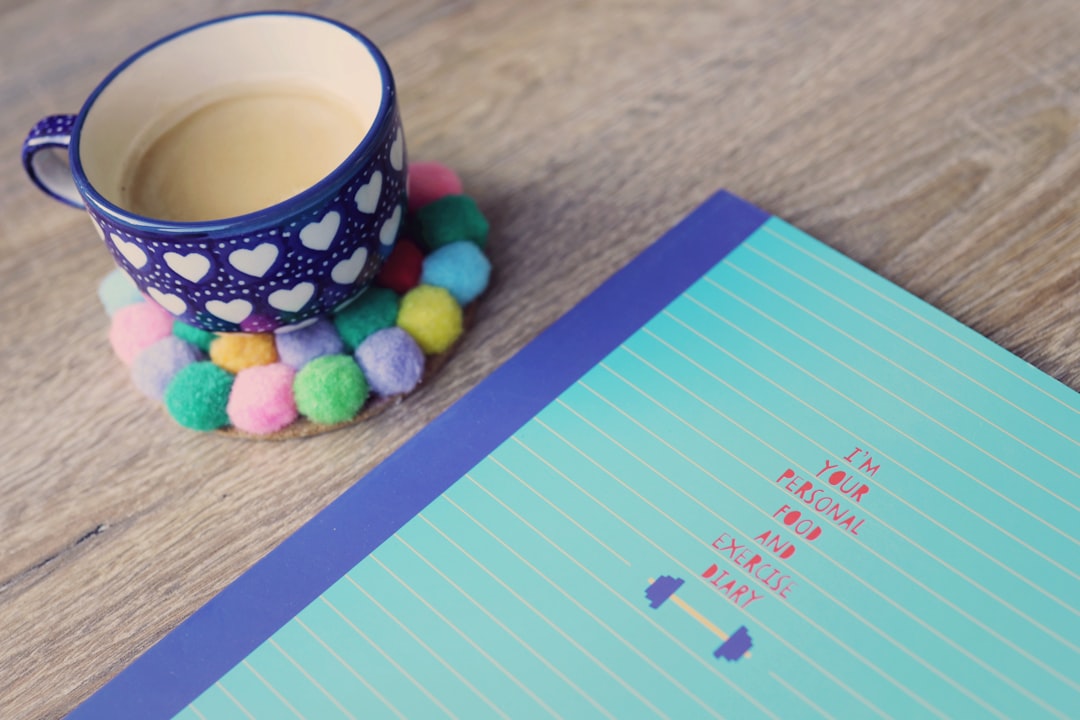
Knowing what to eat before and after a workout can improve energy, comfort, and recovery without turning nutrition into a complicated schedule. This practical checklist shows how to match meal timing, portion size, hydration, and food choice to your workout, training goal, available time, and dietary preference.
Overview
Workout nutrition timing is less about finding one perfect meal and more about making a choice that suits the session ahead. A short, easy workout may not require a separate snack, while a long endurance session or demanding strength workout can benefit from planned carbohydrates, protein, fluids, or all three.
Start with four questions:
- How long and how hard will the workout be?
- How much time is available before training?
- What foods are comfortable to digest?
- Is the priority performance, recovery, fat loss, muscle gain, or simply consistency?
For most active people, a useful meal pattern includes a carbohydrate source for training fuel, a protein source to support muscle repair and fullness, and fluids to replace what is lost through normal activity. The amount depends on body size, the workout, the rest of the day’s meals, and individual tolerance.
A simple portion-building template
Use this as a starting point rather than a rigid prescription:
- Carbohydrate: Choose a serving of oats, rice, potatoes, bread, fruit, cereal, beans, or another familiar source. Increase the portion when the workout is longer, more intense, or followed by another session.
- Protein: Add a palm-sized serving of foods such as eggs, yogurt, milk, poultry, fish, tofu, tempeh, beans, lentils, or a suitable protein product.
- Produce: Include fruit or vegetables when there is enough time to digest them. Reduce very bulky or high-fiber choices immediately before intense training if they cause discomfort.
- Fat: Include a small amount from nuts, seeds, olive oil, avocado, or nut butter when it fits your digestion and timing. Large, high-fat meals may feel heavy close to exercise.
- Fluids: Begin the workout reasonably hydrated and keep water available. Sweaty or prolonged sessions may require a more deliberate fluid and electrolyte plan.
For fat loss, avoid treating the pre- or post-workout meal as a free pass to eat far beyond hunger. Use a heart-rate and performance tracking approach alongside hunger, energy, and recovery notes, then adjust total daily intake rather than removing useful fuel from every workout.
Checklist by scenario
When you have two or more hours before training
Choose a balanced meal with carbohydrates and protein, and keep the portion moderate enough to feel comfortable. Examples include:
- Oats with milk or yogurt, fruit, and seeds
- Rice with tofu, chicken, fish, or beans and cooked vegetables
- A potato with eggs and fruit
- A sandwich with a lean protein filling and a piece of fruit
Eat slowly, drink according to thirst, and leave enough time to notice how the meal settles. If you are preparing for a long run, ride, or demanding strength and endurance workout, favor familiar foods rather than testing a new recipe.
When you have 30 to 90 minutes
Reduce the size and complexity of the meal. Prioritize an easy-to-digest carbohydrate and add a modest protein portion if tolerated:
- Banana with yogurt
- Toast with a thin layer of nut butter
- Cereal with milk
- Fruit smoothie made with milk or a fortified non-dairy alternative
- Crackers with cottage cheese or tofu spread
These pre-workout snacks for energy are useful when a full meal would be too close to training. Keep fiber, spice, and rich sauces lower if they regularly cause stomach discomfort.
When you have less than 30 minutes
Keep the choice small and simple. A banana, applesauce, a few crackers, toast, or a small sports drink may be enough for a brief or moderate session. If the workout is easy and you ate recently, you may not need anything beyond water.
For short or low-intensity workouts
A normal meal pattern is usually the priority. For a short mobility routine, easy walk, or brief home workout, do not force a snack simply because it is labeled “pre-workout.” If you are hungry, choose a small familiar option; if not, train and eat your next planned meal.
For longer or demanding endurance sessions
Plan ahead with more carbohydrate in the preceding meal and consider whether fluids or food will be needed during the session. Test your plan during ordinary training rather than waiting for an event. A long workout may require more than a single pre-workout snack, particularly when sessions last several hours or are repeated on consecutive days.
After strength or endurance training
A practical post workout meal combines protein with carbohydrate. Examples include:
- Greek yogurt or soy yogurt with fruit and oats
- Rice, beans, salsa, and vegetables
- Eggs on toast with fruit
- A chicken, fish, tofu, or tempeh bowl with potatoes or grains
- A smoothie with milk or a fortified alternative, fruit, oats, and a protein source
You do not need a complicated recovery product if a regular meal is available. If you cannot eat soon, use a portable snack such as a yogurt drink, milk, fruit with a protein bar, or a sandwich, then have a fuller meal later. This is especially useful after a morning session or before a second workout.
Quick snacks versus full meals
| Option | Best used when | Example | What to check |
|---|---|---|---|
| Quick snack | Training starts soon or appetite is low | Banana and yogurt | Keep portion small and easy to digest |
| Light meal | Thirty to ninety minutes are available | Toast, eggs, and fruit | Limit foods that cause personal discomfort |
| Full meal | Two or more hours are available | Rice bowl with protein and vegetables | Match carbohydrate amount to session demands |
| Portable recovery option | No kitchen or immediate meal access | Milk or fortified alternative, fruit, and a sandwich | Include both protein and carbohydrate |
Vegetarian, vegan, and allergy-friendly substitutions
Replace dairy with fortified soy yogurt or milk, eggs with tofu or beans, and meat or fish with lentils, tempeh, tofu, or another protein-rich option. For nut allergies, use seeds, tahini where appropriate, yogurt, or a seed-based spread. For gluten avoidance, use rice, potatoes, certified gluten-free oats, corn tortillas, or gluten-free bread. Check labels on packaged foods and choose substitutions you have already tolerated during exercise.
What to double-check
- Digestion: Note bloating, reflux, cramping, or urgency. Change one variable at a time so you can identify the cause.
- Portion size: More food is not always better. Increase gradually when sessions become longer or when hunger and recovery suggest you need more.
- Hydration: Drink regularly across the day rather than relying only on a large amount immediately before training. For sweaty or prolonged workouts, consider whether electrolytes are appropriate for your situation.
- Training time: Early workouts may work best with a small snack, while evening training may follow a normal lunch and a planned pre-workout meal.
- Consecutive sessions: Prioritize a recovery meal, fluids, and enough total food between sessions. Under-fueling can show up as unusual fatigue, persistent hunger, or declining performance.
- Overall goal: A calorie deficit for fat loss should be moderate enough to support training and daily function. A muscle-building meal plan generally requires more total food and consistent protein across the day.
- Medical needs: Diabetes, gastrointestinal conditions, food allergies, pregnancy, and other health considerations may require individualized advice from a qualified professional.
Keep a simple log for two weeks: meal timing, foods, workout duration, energy, stomach comfort, hunger, and next-day recovery. The goal is not perfect data; it is a pattern you can use to refine your choices.
Common mistakes
- Copying an athlete’s meal without matching the workout. A meal designed for a long endurance session may be unnecessary before a short beginner workout.
- Trying unfamiliar foods on an important training day. Test recipes, supplements, and portion sizes during routine sessions first.
- Eating too close to training because the meal was delayed. If time is short, choose a smaller snack instead of forcing a full meal.
- Ignoring the rest of the day. One snack cannot compensate for consistently low food, protein, fluids, or sleep.
- Over-focusing on a narrow post-workout window. A balanced meal later can still support recovery. Plan the next practical eating opportunity rather than panicking about exact timing.
- Using supplements before establishing meals. Start with foods you digest well and use products only when they solve a clear problem, such as convenience.
When to revisit
Recheck your plan whenever your workout duration, intensity, schedule, climate, dietary pattern, or training frequency changes. Seasonal planning is a useful prompt: hotter conditions may increase attention to fluids, while a new training block may change carbohydrate needs and recovery meals.
Use this workflow before each new phase:
- Write down the week’s longest and hardest sessions.
- Choose one pre-workout option and one backup snack for each training time.
- Prepare two portable post-workout choices for days when cooking is not practical.
- Track energy, digestion, hunger, and recovery for one to two weeks.
- Adjust one portion or timing variable, then review the pattern again.
For a complete plan, pair these nutrition choices with a realistic beginner workout plan, a mobility routine, and periodic fitness checks. Revisit the checklist before a new training block, after a break, or whenever your current meals no longer support consistent performance.